Essential Guide to Waste Water System Check-Up for Homeowners
Key Takeaways
- Grasping the Basics of Wastewater Mechanisms
- Indicators Your Wastewater Mechanism Requires Care
- Advantages of Regular Wastewater Mechanism Inspections
- Ways to Arrange a Waste Water Mechanism Inspection
- Care Suggestions for a Robust Wastewater Mechanism
- Ecological Consequences of Wastewater Mechanisms
Understanding Wastewater Systems
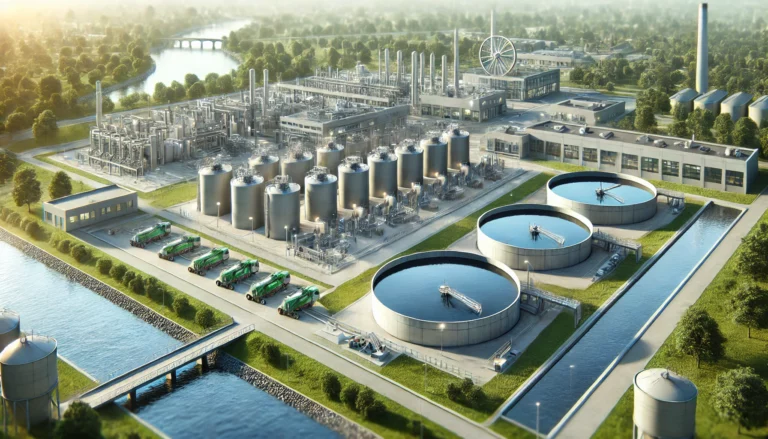
A wastewater system plays a crucial role in managing human waste and other solid waste, ensuring that untreated wastewater is properly processed before it re-enters the environment. Regular waste water system check-ups help identify issues that may lead to water waste or inefficiencies in wastewater recycling. This preventive approach not only safeguards public health but also enhances the performance of the sewage system. By monitoring and maintaining the system, property owners can reduce the risk of costly repairs associated with failures linked to untreated wastewater. The goal is to ensure that treated wastewater is handled effectively, contributing to a sustainable water cycle.
Importance of Regular Check-Ups
Regular check-ups of your waste water system are crucial for maintaining the integrity of municipal wastewater management. These assessments ensure that industrial wastewater and sewage are treated properly, minimizing the risk of water pollution. By adhering to the Clean Water Act (CWA), facilities can prevent harm to drainage systems and ground water supplies. A waste water system check-up identifies potential issues before they escalate, safeguarding clean water and public health.
Routine evaluations help maintain the efficiency of garbage disposal systems and sewer systems. Catching malfunctions early during a waste water system check-up ultimately prevents costly repairs and ensures compliance with environmental regulations. Protecting the community from harmful wastewater effluent reinforces the importance of these regular assessments, contributing to sustainable water management practices.
Common Components of Waste Water Systems
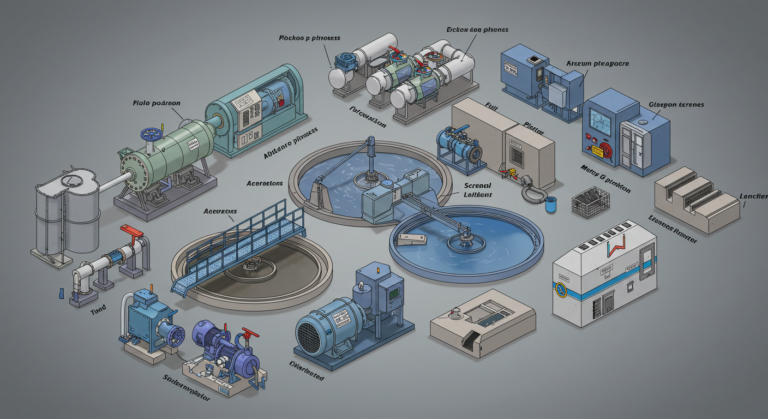
A waste water system is designed to manage various components of household waste, ensuring effective treatment and recycling of water. It typically includes essential elements such as a garbage disposal unit, drainage pipes, and water treatment facilities. During a waste water system check-up, professionals will assess the condition of pipes that transport agricultural wastewater and household waste to treatment plants. Proper management of these components is crucial for maintaining water quality and protecting water supplies.
The washing machine, sinks, and toilets contribute significantly to a home’s waste water system. Over time, food waste and excess debris can accumulate, necessitating the use of drain cleaners for maintenance. Regular check-ups can help identify issues before they escalate, supporting the efficiency of the entire system. Ensuring that each component functions properly leads to better water recycling practices and enhances the overall health of the waste water management system.
| Component | Function | Maintenance Frequency |
|---|---|---|
| Garbage Disposal Unit | Shreds food waste for easy removal | Annually |
| Drainage Pipes | Transport wastewater to treatment facilities | Bi-annually |
| Water Treatment Facilities | Treat and recycle wastewater | Quarterly |
| Drain Cleaners | Remove clogs and buildup | As needed |
| Sinks and Toilets | Source of household wastewater | As needed |
Signs Your Waste Water System Needs Attention
Unusual odors and sounds from your plumbing system can signal that your waste water system requires immediate attention. If you notice strange smells or gurgling noises, it may indicate a blockage or malfunction that could contaminate groundwater or surface water. Slow draining fixtures can also be a red flag, highlighting potential issues within the sewer line. Regular waste water system check-ups are essential to prevent these problems from escalating. The federal water pollution control act of 1948 emphasizes the importance of maintaining clean water systems to protect drinking water sources. Proper disposal of household items, such as those in trash cans or trash bags, is vital to avoid overloading waste water systems. Taking these signs seriously can not only help maintain the integrity of your plumbing system but also support compliance with regulations like the water framework directive.
Unusual Odors and Sounds
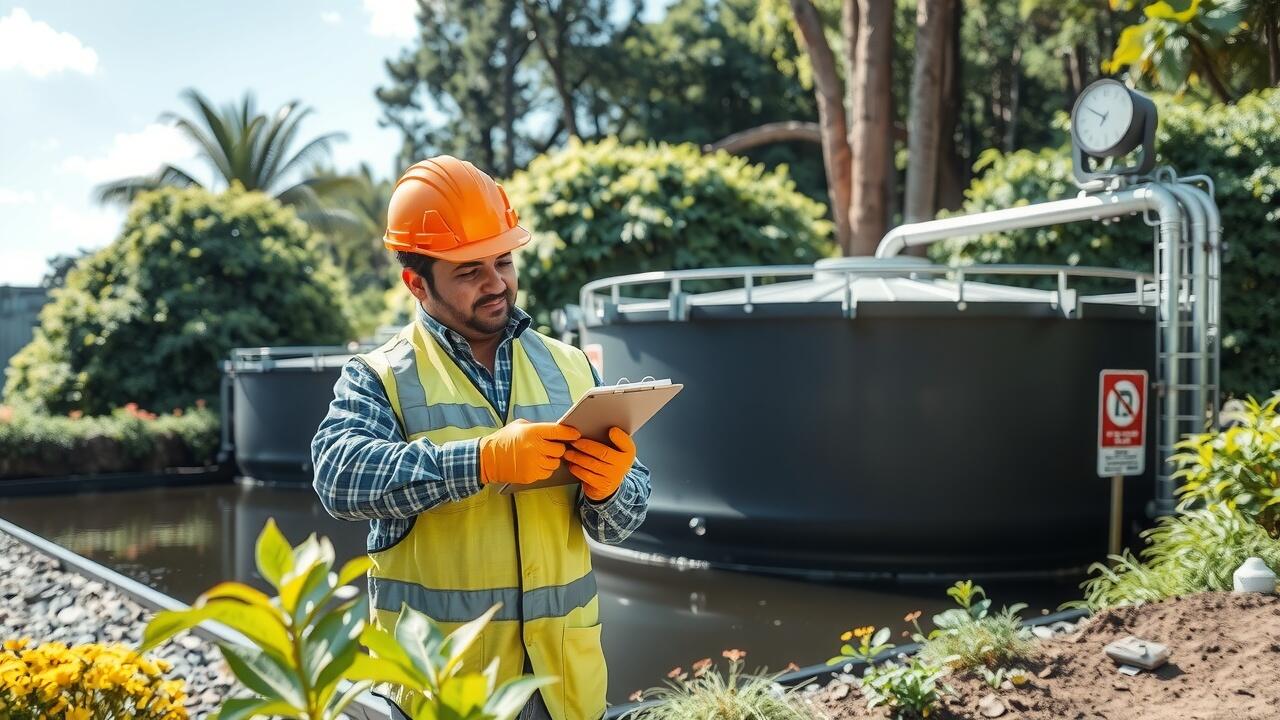
Strange odors emanating from your drains can indicate underlying issues within your waste water system. These odors often arise when liquid wastes are not being properly managed or when storm water infiltrates the system. Regular waste water system check-ups can help identify problems with drain fields or the drainage system that may contribute to unpleasant smells. Monitoring the sources of these odors can prevent contaminants from reaching groundwater and protect the quality of household water waste.
Unusual sounds during wastewater monitoring can also signal an urgent need for attention. Gurgling or bubbling noises from your drains may point to clogs or blockages that prevent liquid waste from flowing smoothly. During a waste water system check-up, professionals will assess the overall performance of the drainage system and will address any issues contributing to these sounds. Keeping these factors in check is essential for maintaining a healthy, efficient waste water system and ensuring proper management of rainwater and other liquid wastes.
Slow Draining Fixtures
Clogs or blockages in your plumbing can lead to slow drainage in fixtures. This issue often signals a need for a waste water system check-up. During the inspection, professionals may conduct wastewater monitoring to identify the root cause, utilizing techniques like wastewater tests to evaluate the composition of any unwanted wastewater. A thorough examination can reveal problems within the underground wastewater collection system, ensuring that the total wastewater is effectively managed.
Ignoring slow draining fixtures can escalate into more significant issues. Regular checks are essential for maintaining the integrity of the wastewater treatment process. Municipal wastewater tests can be instrumental in assessing the overall health of your system. By monitoring wastewater regularly, homeowners can prevent costly repairs and ensure their waste water system operates efficiently, ultimately protecting the environment.
Benefits of Routine Waste Water System Check-Ups
Routine waste water system check-ups play a vital role in ensuring the overall health of your plumbing system. These assessments allow for effective wastewater monitoring, acting as an early detection tool against potential issues stemming from various wastewater sources. Regular maintenance helps in identifying areas where dangerous waste can accumulate, ensuring that used water is properly processed through the necessary wastewater treatment steps. Efficient water use is also promoted by these check-ups, as they facilitate the pre-treatment of wastewater and manage waste solids effectively. Maintaining a healthy waste water system not only contributes to a basic water environment but also minimizes the chances of costly repairs and environmental pollution that can arise from untreated wastewater entry.
Prevention of Major Issues
Regular waste water system check-ups play a crucial role in preventing major issues that can arise from neglect. Without consistent maintenance, excess water can accumulate and overwhelm wastewater pumps. This situation may lead to backlogged municipal wastewater sewer systems, resulting in costly repairs. During a check-up, wastewater operators may conduct an effluent wastewater sample analysis to identify contaminants and ensure that the water treatment process remains efficient.
Homeowners can also take proactive measures to avert significant problems by investing in water-efficient products and monitoring their residential sewage wastewater flow. Over time, improper water drainage can introduce pollutants that burden above-ground water supplies. By scheduling routine waste water system check-ups, you enhance the longevity and reliability of your system, ultimately safeguarding your property and the environment.
Cost Savings in the Long Run
Routine waste water system check-ups can lead to significant cost savings over time. By identifying and addressing potential issues early, homeowners can prevent costly repairs related to sewage levels and ground water intrusion. Regular maintenance allows for a proper water quality analysis, ensuring that discharged wastewater complies with federal water pollution regulations. This proactive approach not only protects the environment but also contributes to safer drinking water supplies.
Implementing efficient practices, such as using an in-sink garbage disposal properly, can enhance water savings. A waste water system check-up can provide insights into how to better treat household waste and manage drain water effectively. Homeowners who commit to regular inspections often find that the reduced risk of major issues minimizes unexpected expenses, making for a healthier and more cost-effective water management system.
How to Schedule a Waste Water System Check-Up
Scheduling a waste water system check-up involves selecting a qualified professional who understands the intricacies of onsite wastewater management. It’s crucial to choose someone experienced in assessing the entire drain field and ensuring that electronic water level monitors are functioning properly. Regular check-ups help identify issues such as clogged drains or improper water flow, which can lead to direct wastewater discharge into receiving surface water. It is advisable to inquire about their process for evaluating indoor water use and how they manage disposal systems. This proactive approach ensures that potential problems are addressed before they escalate, protecting both your property and the surrounding environment.
Finding a Qualified Professional
Locating a qualified professional for a waste water system check-up is essential for maintaining a healthy and efficient system. A skilled technician understands how to manage household water use effectively and can identify issues before they escalate. They are equipped to assess how your system disposes of waste properly, ensuring that harmful substances like chemical drain openers do not compromise future drinking water sources. A proper check can help ensure that your system remains a working system that efficiently manages household water.
Choosing the right expert involves looking for individuals with experience and good reviews. The professional should be familiar with the typical signs that indicate potential issues, such as when the water level falls unexpectedly or unusual odors arise. It’s important to check that they utilize environmentally safe methods, especially when disposing of materials like plastic trash bags that may clog your drain. A thorough waste water system check-up conducted by a knowledgeable technician can save you from costly repairs down the road.
“`html
| Professional | Experience (Years) | Specialization | Customer Rating |
|---|---|---|---|
| John’s Wastewater Services | 10 | Residential Wastewater Systems | 4.8/5 |
| Eco Drain Solutions | 7 | Eco-friendly Waste Management | 4.5/5 |
| Clear Flow Experts | 15 | Commercial Systems Maintenance | 4.9/5 |
| GreenTech Septic Services | 12 | Septic System Inspection | 4.7/5 |
“`
What to Expect During the Check-Up
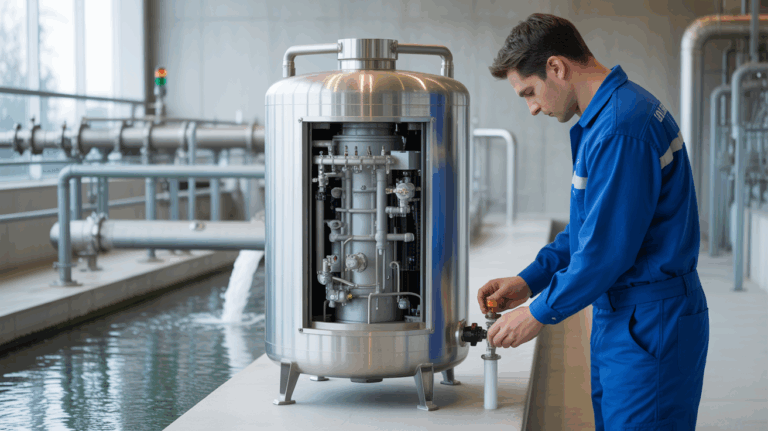
During a waste water system check-up, professionals will assess the overall condition of your system. They will monitor how water enters and exits the system, checking for any obstructions or issues in areas like the drain pipes. This includes measuring the inlet sludge depth to ensure proper flow and functionality. Technicians may also inspect washers and other appliances connected to the system to identify potential problems that could lead to water rise or backup.
The check-up process also involves computing gallons of water processed by the system, which helps in evaluating efficiency. A clear tube might be utilized to check for blockages, ensuring that everything operates smoothly. This routine monitoring conserves water and promotes the longevity of your waste water system, providing peace of mind that your plumbing is functioning as it should.
Maintenance Tips for a Healthy Waste Water System
Regular cleaning practices are essential for maintaining the efficiency of your waste water system. Keeping drain lines clear of garbage and ensuring that tanks are monitored can prevent issues related to rising water levels. A circular wet well should be checked for signs of sludge stick, as this can hinder the system’s performance. Observing wet soil in areas surrounding the system can indicate potential leaks or malfunctions. Scheduling a waste water system check-up allows professionals to assess and maintain the integrity of the system, ensuring that clear fluids flow smoothly and preventing larger problems down the line.
Regular Cleaning Practices
A routine waste water system check-up is essential to maintain the health of your system. Regularly monitoring components, such as the drain field—a component crucial for proper waste disposal—can prevent problems like an over-saturated drain field. Keeping the area clear of trash and debris allows for better water percolation and overall system efficiency. Implementing clean tools and appropriate cleaners helps maintain a hygienic environment during these checks.
Employing a clean-out process looks straightforward but requires attention to detail. Inspecting for wet spots around the drain field can signal issues that need immediate resolution. Pay attention to leaky faucets since they can contribute to excess water that the system struggles to process. Alternative systems may require different maintenance protocols, but the principles of regular check-ups and cleaning remain the same for all waste water systems.
- Regularly inspect the condition of the drain field for signs of saturation.
- Clear the area around the system of any debris and obstructions.
- Use clean tools and suitable cleaners during maintenance checks.
- Monitor water usage to avoid overloading the system.
- Address any leaks or plumbing issues promptly to prevent excess water.
- Schedule routine professional inspections to identify hidden problems.
- Keep records of maintenance activities performed on the system.
Monitoring System Performance
Regular performance monitoring of your waste water system is crucial to prevent system failure. One effective way to test functionality is by observing the levels in your 5-gallon reservoirs. If you notice a consistently high sludge layer, it may indicate that your septic system maintenance is overdue. Ensure all components, such as drainfield pipes and tanks, are intact. A leaking tank can lead to costly repairs, so immediate action is essential.
Be vigilant about unusual signs, such as a pump alarm triggering unexpectedly. This could indicate an overload or blockage in the system. Any disposal of items like latex paint waste should be avoided, as they can significantly impact performance. Keeping a 5-gallon bucket handy for minor waste disposal can go a long way in prolonging the efficiency of your waste water system. Scheduling a waste water system check-up regularly can help catch these issues early.
Environmental Impact of Waste Water Systems
A waste water system check-up is essential for understanding the environmental impact of waste water systems. Regular maintenance helps to prevent issues such as leaking from storage tanks or pump tanks, which can contaminate local ecosystems. Inspecting the system’s sludge depth and monitoring the liquid level at the inspection port ensures that the conventional gravity drain field operates efficiently. An overloaded system can lead to untreated waste entering the environment, causing harm to soil and water sources. By staying proactive with waste water system check-ups, homeowners can minimize their ecological footprint and maintain a healthy environment.
- Regular checks can identify leaks early, preventing contamination of groundwater and soil.
- Monitoring sludge levels helps to optimize waste decomposition and filtration processes.
- Proper system maintenance reduces the risk of system overload and untreated waste discharge.
- Consistent inspections promote responsible waste management practices within the community.
- Engaging professionals for routine evaluations ensures adherence to environmental regulations.
- Homeowners can educate themselves on best practices for wastewater conservation and management.
- Investing in modern wastewater treatment solutions can enhance environmental protection efforts.
Conclusion
Regular waste water system check-ups are essential for maintaining the efficiency and functionality of your facility’s plumbing. These inspections by qualified inspectors help determine the health of pipes and gravity systems, ensuring that wastewater is effectively managed. Routine checks catch potential issues before they become costly repairs. Practices such as using high-efficiency wipes and monitoring the pump rate can further enhance the longevity of your system. Neglecting regular maintenance can lead to problems that stick around, making proactive measures crucial for optimal performance. Prioritizing waste water system check-ups is a smart investment that pays off in reliability and efficiency.
FAQS
How does wastewater monitoring serve as an early detection tool for managing wastewater from washing machines and other sources?
Wastewater monitoring is an early detection tool that helps in identifying wastewater contaminants before they enter the receiving water. By diverting drain water and pre-treating wastewater at a wastewater facility, you can effectively manage the environmental water impact. Additionally, entire drain field checking and monitoring water level rises in tanks is essential for assessing the system’s ability to handle loads. By computing gallons and keeping an eye on the system, you can ensure that clear liquids are being properly filtered through the plastic filter, which is crucial for maintaining the overall health of the national onsite wastewater system.
What are the best practices for wastewater monitoring to effectively manage wastes water from washing machines, including pre-treat wastewater and divert drain water?
Effective wastewater monitoring involves understanding how to compute gallons of water used and ensuring proper tank checks. By implementing systems for monitoring—how to pre-treat wastewater and divert drain water from washing machines, homeowners can maintain an efficient wastewater system check-up and reduce environmental impact.
How can wastewater monitoring help in identifying issues with tanks that manage wastes water effectively?
Wastewater monitoring can play a crucial role in identifying potential issues with tanks by providing insights into wastewater quality and flow rates. By continuously analyzing the data, facilities can detect anomalies in the wastewater composition and make informed decisions to effectively manage wastes water, ensuring that the system operates efficiently.
How can wastewater monitoring be utilized to assess the performance of a tank managing wastewater effectively?
Wastewater monitoring—how it is employed can provide valuable insights into the performance of a tank used to manage wastewater. By regularly monitoring indicators such as flow rates, contaminants, and system pressures, operators can identify potential issues or inefficiencies within the tank. This proactive approach ensures that wastewater treatment processes remain effective and helps maintain the integrity of the entire wastewater management system.
What are the potential benefits of regularly checking a wastewater system to ensure that the tank is functioning correctly?
Regularly checking a wastewater system is essential to ensure that the tank is functioning as intended. This helps to prevent issues such as overflow, blockages, and inefficient processing of the wastewater, ensuring that the tank is always operating at optimal levels.
What maintenance steps can be taken to ensure that a wastewater tank is functioning as intended?
Regular maintenance is crucial for optimal performance of your wastewater tank—it’s important to inspect for any blockages, ensure proper ventilation, and check for leaks. Additionally, ensuring that the tank is regularly emptied and cleaned can prevent buildup and extend its lifespan.
How can the assessment of a wastewater system enhance the efficiency of a tank that is managing wastewater?
The assessment of a wastewater system is crucial as it helps in identifying potential inefficiencies in the tank—is functioning optimally, ensuring proper treatment of wastewater and preventing overflow or leaks.