Efficient Water Treatment Winter | Efficient Water Treatment Tips for Winter Months
Key Takeaways
- Comprehending effective water purification in frigid conditions
- Methods for optimal water processing in chilly climates
- Gear factors for treating water in low temperatures
- Recommended strategies for proficient water oversight in winter
- Examples of successful cold-weather water treatment methods
Efficient Water Treatment Winter | Understanding Efficient Water Treatment in Winter
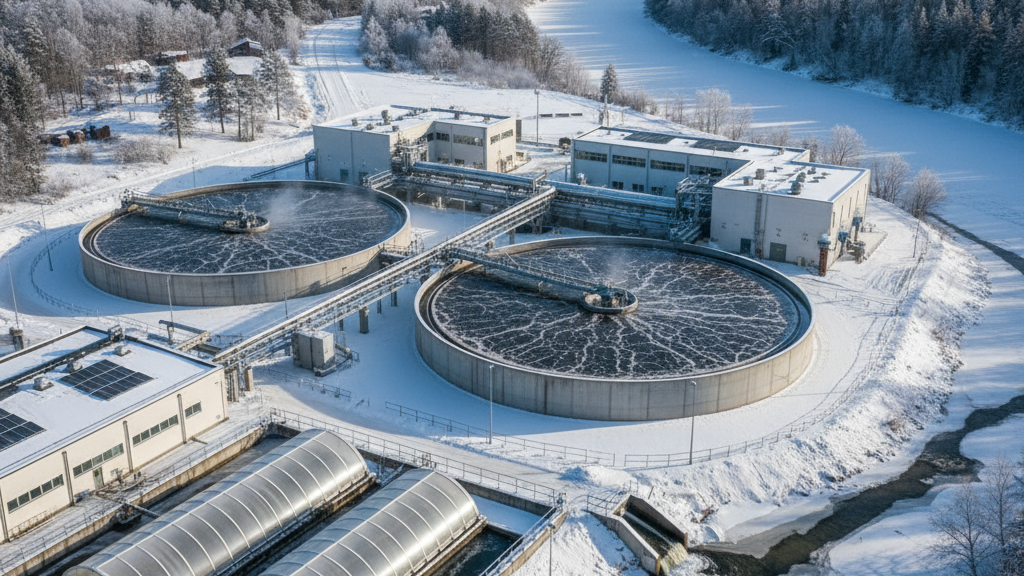
Efficient water treatment in winter poses unique challenges that are crucial for maintaining water quality during the colder months. Cold temperatures can impact both industrial water treatment processes and the effectiveness of wastewater treatment systems. Ensuring clean and safe water requires careful management strategies, especially for fresh water and surface water sources. Efficient water treatment winter must address issues such as hard water and stormwater management to guarantee the availability of better water for various uses. Effective water disinfection techniques become essential in these conditions to prevent contamination and maintain the integrity of the water supply. Regular monitoring and adjustments to treatment processes can help overcome the complexities presented by winter, thereby supporting a reliable flow of safe water throughout the season.
Efficient Water Treatment Winter | Importance of Cold-Weather Water Treatment
Cold-weather water treatment plays a crucial role in maintaining the integrity of wastewater treatment systems. Efficient water treatment winter practices help ensure that treated wastewater remains safe for reuse and meets regulatory standards. Insulating water storage tanks and waterproofing treatment facilities can prevent freezing and subsequent water damage. This is vital for protecting the functionality of water heaters and ensuring a continuous supply of safe drinking water, even in the harshest conditions.
Efficient water treatment winter methods also focus on disinfecting water and managing water hardness. These processes are essential for maintaining the quality of drinking water and the overall health of communities. Adjustments to chemical dosages may be necessary to accommodate the lower temperatures, as cold weather can affect the performance of wastewater treatment plants. By prioritizing cold-weather treatment strategies, facilities can effectively safeguard both water supply and public health during winter months.
Key Challenges of Winter Water Treatment
Cold temperatures and adverse weather conditions pose significant challenges for efficient water treatment in winter. Industrial wastewater treatment systems often struggle with ice formation, which can impede water filtration processes and disrupt the flow of wastewater through treatment facilities. Snow accumulation around treatment plants can lead to accessibility issues, causing delays in purifying water. Furthermore, lower temperatures can affect water pressure, making it more difficult for water filters and water softeners to operate effectively.
Adjustments in operational procedures become crucial as precipitation and freezing weather can influence chemical reactions within wastewater treatment systems. Maintaining consistent performance of UV water disinfection units is essential, as cold weather can impact their efficacy. Operators need to monitor and adjust chemical dosages carefully to ensure effective treatment, as water softeners may struggle under extreme temperatures. Addressing these key challenges is vital for maintaining the integrity of efficient water treatment in winter.
Techniques for Efficient Water Treatment in Cold Weather
Efficient water treatment in winter is crucial for maintaining optimal water quality during harsh climates and cold snaps. The treatment plant must adapt its processes to handle the challenges posed by freezing temperatures, which can affect the integrity of reservoirs and water treatment systems. Implementing weather-resistant insulation strategies ensures that the water treatment process remains efficient, even in cold water conditions. Adjusting chemical dosages is essential, as these changes can significantly impact winter water quality. By employing specific techniques tailored for cold-weather water treatment, facilities can continue to provide safe and reliable water for washing and other essential uses throughout the winter months.
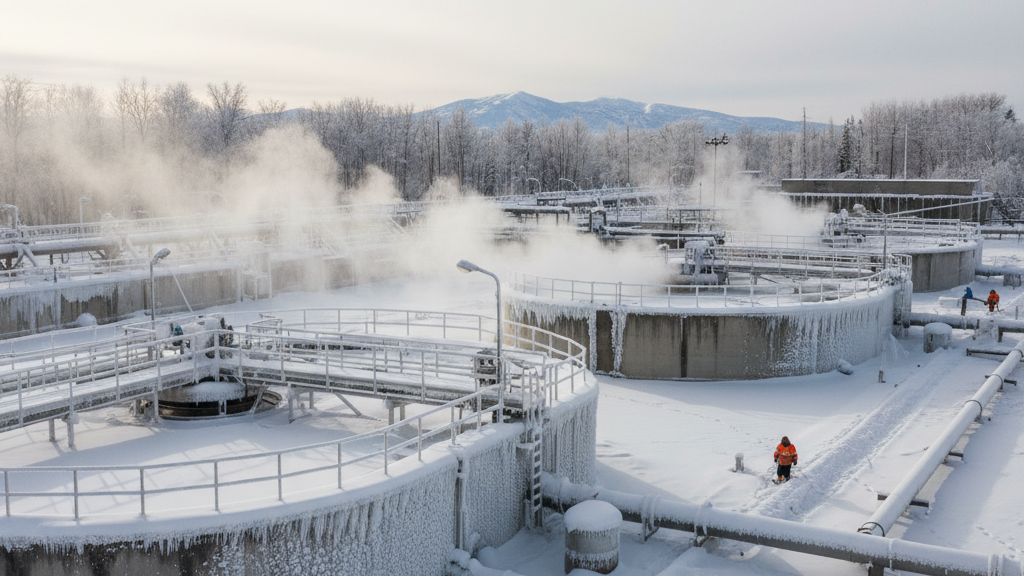
Insulation Strategies for Water Treatment Systems
Effective insulation is crucial for achieving efficient water treatment in winter. Properly insulated water treatment systems ensure the retention of warm water and prevent the detrimental effects of freezing temperatures. Reliable water treatment equipment must be protected against harsh winter conditions to maintain optimal performance. Implementing winterization techniques, such as insulating pipes and treatment facilities, addresses water treatment needs and enhances system reliability. This approach minimizes disruptions during winter operation, allowing for smooth surface water treatment and efficient processing of winter wastewater innovations.
Applying the right winterization methods can significantly impact the overall performance of water treatment systems. Insulation not only prevents heat loss but also supports the necessary water temperatures essential for effective processing. A well-maintained water treatment system, equipped with appropriate insulation, guarantees uninterrupted service even under challenging conditions. Adequate insulation strategies contribute to a more robust water treatment operation and ensure consistent treatment standards throughout the winter season, underscoring the importance of efficient water treatment in winter.
Adjusting Chemical Dosages in Winter
Proper adjustment of chemical dosages is crucial for efficient water treatment winter. The winterization process involves recalibrating chemical treatments to account for colder water temperatures, which can significantly affect their effectiveness. Ensuring that chemical concentrations are optimized during warm water periods and adapting to harsh winter weather can help prevent common winter hazards. This not only helps in maintaining water quality but also supports efficient wastewater treatment and enhances stormwater management measures.
During winter, water treatment facilities must implement winterization measures to mitigate operational challenges. The potential for water quality problems increases with the colder water temperatures, making it essential to adjust dosages appropriately. A well-planned approach to chemical treatment during winter approaches is a key water treatment investment. Attention to these factors can lead to enhanced performance and resilience in water treatment systems, ensuring consistent delivery of treated water even under difficult conditions.
Equipment Considerations for Cold-Weather Water Treatment
Efficient water treatment in winter requires careful consideration of equipment to address the unique challenges posed by cold weather. An annual water system assessment is crucial to identify any potential water issues that may arise as water cools and temperatures drop. Customized water management plans should be developed, focusing on maintaining high-quality water through effective wastewater treatment strategies. It is essential for water experts to ensure the chemicals used are suitable for cold weather conditions to prevent adverse effects on water quality. Comprehensive winterization services can help implement necessary upgrades and maintenance, ensuring worry-free water treatment throughout the season. Properly designed systems can minimize disruptions, allowing for efficient water treatment in winter despite the harsh conditions.
Choosing the Right Treatment Technology
Selecting the appropriate treatment technology is crucial for achieving efficient water treatment during winter. Different water systems may face specific water issues, such as ice runoff and variable winter flows. Utilizing a winterization service can address these concerns by implementing specific winterization steps tailored to each location. A winterization kit often includes tools and techniques that enhance good water filtration and promote a healthy water supply, ensuring that treatment processes remain effective even in the cold winter months.
Choosing the right technology also involves understanding the unique demands presented by free wastewater treatment during winter. Engaging with water doctor professionals offers insights into optimizing treatment systems. These experts can recommend tailored solutions that address multiple water issues while providing winterization assistance services to ensure peak performance. By focusing on reliable technologies, water treatment facilities can safeguard their operations and deliver essential services throughout the winter season.
- Assess the specific water issues your system faces during winter months.
- Consider investing in a winterization kit that includes essential tools and techniques.
- Seek advice from water treatment professionals for tailored recommendations.
- Evaluate the energy efficiency and sustainability of treatment technologies.
- Stay informed about advancements in water treatment technologies suitable for cold weather.
- Regularly monitor and maintain treatment systems to ensure optimal performance during winter.
- Create a winterization plan that outlines steps for preventive measures and emergency responses.
Maintaining Equipment Performance in Freezing Temperatures
Efficient water treatment during the winter months requires careful planning to maintain equipment performance. Water experts recommend developing customized winterization plans tailored to the specific needs of the wastewater treatment setup. These plans often involve using winterization kits and ensuring that outdoor water faucets are adequately insulated. Regular checks on source water quality and filtered water systems can prevent freezing and ensure top-quality water control, even in the harshest conditions.
Preparing equipment for cold weather is essential for many wastewater treatment facilities. Clearing snow and ice from treatment areas helps to prevent equipment malfunctions. Implementing pre-winter maintenance checks can identify potential issues before freezing temperatures occur, contributing to an efficient water treatment winter. Ensuring that all components are functioning optimally will help sustain operations throughout the winter months.
Best Practices for Efficient Water Management During Winter
Efficient water treatment during the winter season is vital for maintaining quality and accessibility to great-tasting water. Addressing cold-weather challenges requires careful attention to surface water sources and the performance of wastewater treatment equipment. Implementing water filtration solutions ensures uninterrupted water flow, crucial for public water systems. Regular water tests, including free water tests, help monitor the effectiveness of clear water filtration methods. Utilizing professional winterization services can safeguard equipment against freezing temperatures while preserving water flow throughout winter sets. Emphasizing these best practices fosters a reliable system capable of overcoming the unique demands of winter.
Regular Maintenance Checks
Performing regular maintenance checks is crucial for efficient water treatment winter. It helps identify issues related to ice accumulation and frozen pipes that can compromise water quality in systems reliant on a surface water source. Ensuring that the water filtration system is functioning optimally is vital, especially during heavy snow periods. These checks can also ensure that the city water supply remains suitable for treatment, as the filtration needs may change drastically in colder temperatures.
These maintenance routines should include inspecting biowater technology components, as any malfunction can lead to ineffective treatment. Drain water systems must be assessed to prevent blockages caused by ice or snow. Timely identification of these problems enhances treatment efficiency and ensures the continuity of quality water supply throughout winters. Implementing a proactive approach to maintenance allows for the swift resolution of any issues that arise, ensuring effective water treatment all season long.
- Regularly check for ice buildup around water treatment facilities.
- Inspect pipes and joints for cracks and leaks.
- Test water quality frequently to ensure compliance with standards.
- Clean and service filtration systems to maintain optimal performance.
- Monitor drainage systems to prevent blockages.
- Verify the functionality of pumps and other equipment.
- Schedule routine visits from maintenance professionals for comprehensive assessments.
Monitoring Water Quality in Cold Conditions
Maintaining high water quality during cold weather conditions is critical for efficient water treatment in winter. Pre-winter audits help identify potential cold weather issues that may arise, particularly concerning water hardness. Regularly measuring water hardness ensures that treatment processes remain effective. Cold temperatures can significantly influence the efficiency of water filtration systems and outdoor treatment units, which may require adjustments to accommodate harsh Vermont winters. Monitoring these factors can prevent complications that affect bathing and general water use.
Cold temperatures can lead to various challenges for water treatment facilities. Understanding water hardness becomes essential, especially during winter months. Treatment processes must be fine-tuned to address the specific demands posed by cold weather. Routine checks on water quality, including assessments of chemical balances and filtration performance, are vital. This proactive approach mitigates risks associated with freezing temperatures and ensures that efficient water treatment winter methods remain effective, safeguarding water quality for households and communities alike.
Case Studies of Successful Winter Water Treatment Approaches
Successful implementations of efficient water treatment winter strategies highlight the importance of adapting treatment systems to handle extreme cold. For instance, using custom-fabricated water control solutions has proven beneficial in mitigating ice buildup in treatment tanks. During the cold months, it is crucial to maintain optimal temperatures in water storage tanks while ensuring that outgoing water lines remain free from freezing issues. The application of waterproof sealant on exposed areas further enhances system resilience. Employing innovative cold-weather technologies ensures that wastewater flow remains consistent, preventing disruptions that could arise from the harsh winter environment. These case studies exemplify how targeted approaches can lead to effective management and operation of water treatment systems throughout the winter season.
| Case Study Location | Approach Implemented | Key Benefits | Year of Implementation |
|---|---|---|---|
| Denver, Colorado | Custom Water Control Solutions | Reduced ice buildup, consistent flow | 2020 |
| Minneapolis, Minnesota | Waterproof Sealant Application | Increased system resilience, minimized freezing | 2019 |
| Buffalo, New York | Innovative Cold-Weather Technologies | Maintained optimal temperatures, reliable operation | 2021 |
| Montpelier, Vermont | Temperature Regulation Systems | Eliminated flow disruptions, improved efficiency | 2022 |
Innovative Solutions in Cold Climates
Efficient water treatment winter requires innovative solutions that adapt to the unique challenges posed by the cold season. A strategic treatment approach can significantly enhance treatment quality, particularly during winter production peaks. Implementing a slow faucet drip can help prevent freezing in outdoor faucets and pipelines. This simple technique allows for easy draining and keeps water moving, reducing the risks associated with freezing pipes.
Temperature-controlled environments play a crucial role in maintaining optimal treatment processes in severe climates. Integrating effective temperature control solutions ensures that water treatment systems remain functional and efficient, even in the harshest conditions. Regular assessments of the draining process for potential blockages can further improve system reliability. By prioritizing these innovative strategies, facilities can achieve efficient water treatment winter while safeguarding their infrastructure.
Conclusion
Efficient water treatment in winter becomes increasingly crucial as cold weather arrives and temperatures drop. The onset of cold sets the stage for challenges such as ice formation that can disrupt water systems. Implementing effective strategies during this season ensures that treatment processes remain functional and efficient. Addressing the unique demands of winter is essential for maintaining water quality and system integrity, allowing facilities to adapt to the harsh conditions inherent to the season. Prioritizing these considerations will facilitate the ongoing success of efficient water treatment winter practices.
FAQS
How can proper winterization improve my treatment strategy for maintaining clean water during cold temperatures?
Proper winterization is essential for ensuring optimal water treatment while addressing water quality issues that can arise in winter. By learning how cold temperatures influence water filtration needs, you can take steps to disinfect water effectively, measure water hardness, and avoid compromised water quality. Additionally, techniques like clearing snow away from water sources can help maintain clear water throughout winter months.
What steps can I take this winter to ensure my water treatment strategy supports clean water despite harsh weather conditions?
To maintain clean water during winter, it’s essential to follow a proper cold weather treatment strategy. Learning about winter-specific challenges can help you adapt your plans, ensuring your systems remain effective. Additionally, clearing snow away from your treatment area is crucial to prevent any blockages or damage during freezing temperatures.
How does understanding winter conditions help in learning the best practices for efficient water treatment during this season?
To ensure that your water treatment methods remain effective, it is crucial to learn how winter doesn’t always provide clear snow removal. Understanding these conditions will help you adjust your strategies accordingly.
How can I learn about efficient water treatment strategies specifically for winter conditions?
To learn about efficient water treatment strategies for winter conditions, you can explore various resources that focus on seasonal water treatment practices. Understanding the unique challenges posed by winter, such as freezing temperatures and ice formation, will help you implement effective methods to maintain clean water and prevent system failures.
What are the best resources I can use to winter learn about effective water treatment techniques?
To winter learn about effective water treatment techniques, you can explore online courses, attend workshops on winter water management, and read industry publications focused on seasonal treatment strategies.