Industrial Pump Applications: A Complete Guide to Pump Types, Uses, and Selection
Every industry that moves fluid depends on pumps. From transferring corrosive chemicals in a processing plant to circulating coolant through a manufacturing line to dewatering a mine shaft hundreds of feet underground, pumps are the mechanical backbone of operations that most people never see but that keep entire sectors running. Understanding industrial pump applications is essential for engineers, facility managers, procurement teams, and operations leaders who need to match the right pump technology to the specific demands of their process. Choosing incorrectly leads to premature failure, excessive energy costs, unplanned downtime, and safety risks that compound over time.
This guide breaks down the major categories of industrial pumps, the applications where each type excels, and the critical factors that determine which pump belongs in which job.
Two Fundamental Categories: Centrifugal vs. Positive Displacement

Before diving into specific applications, it helps to understand the two broad families that nearly all industrial pumps fall into. Every application-level decision starts with determining which of these two categories best suits the fluid, the flow requirements, and the operating conditions.
Centrifugal Pumps
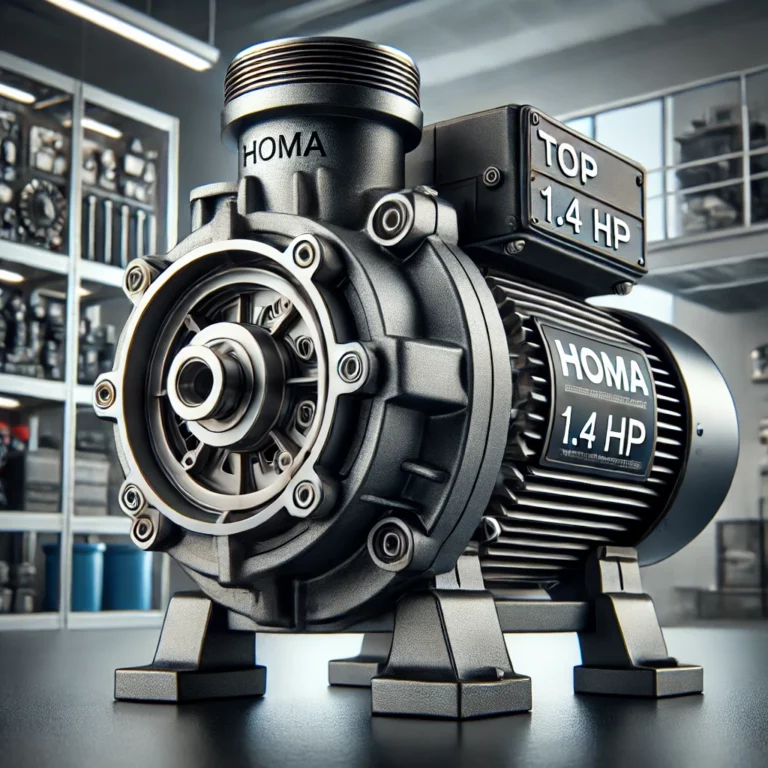
Centrifugal pumps use a rotating impeller to impart velocity to the fluid, which is then converted into pressure as the fluid exits the pump casing. They are the most widely used pump type in industrial settings due to their simplicity, reliability, and efficiency when handling large volumes of low-viscosity fluids.
Centrifugal pumps perform best when the fluid is clean or contains only light suspended solids, the viscosity is low (similar to water), high flow rates are required at moderate pressures, and continuous, steady-state operation is the norm.
Positive Displacement Pumps
Positive displacement pumps move fluid by trapping a fixed volume and mechanically displacing it through the discharge. This category includes gear pumps, diaphragm pumps, piston pumps, lobe pumps, screw pumps, peristaltic pumps, and progressive cavity pumps, among others.
Positive displacement pumps are the right choice when fluids are viscous, shear-sensitive, or contain heavy solids, when precise flow metering or dosing is required, when the system demands consistent flow regardless of pressure changes, and when suction conditions are challenging or the fluid contains entrained air.
Industrial Pump Applications by Industry
Water and Wastewater Treatment
Water and wastewater facilities represent one of the largest markets for industrial pumps. Applications span the entire treatment cycle.
Raw water intake uses large centrifugal pumps to draw water from rivers, lakes, or reservoirs and deliver it to the treatment plant. These pumps must handle variable water levels, debris, and seasonal flow fluctuations.
Chemical dosing requires metering pumps, typically diaphragm or peristaltic types, that deliver precise quantities of chlorine, fluoride, coagulants, pH-adjusting chemicals, and other treatment agents. Accuracy and chemical compatibility are the primary selection criteria.
Sludge handling demands pumps that can move thick, abrasive slurries without clogging. Progressive cavity pumps and rotary lobe pumps are the workhorses of sludge transfer, thickening, and dewatering operations due to their ability to handle high-solids-content fluids at controlled flow rates.
Effluent discharge and distribution relies on centrifugal pumps to move treated water into distribution networks or discharge it to receiving bodies. Reliability and energy efficiency are critical in these continuous-duty roles.
Oil and Gas
The oil and gas industry places some of the most demanding requirements on pump systems, including extreme pressures, high temperatures, corrosive and abrasive fluids, remote locations, and hazardous operating environments.
Upstream production uses reciprocating piston pumps and plunger pumps for well stimulation, hydraulic fracturing, and injection operations that require extremely high pressures. Multistage centrifugal pumps are used for water injection to maintain reservoir pressure.
Midstream transport relies on large centrifugal pipeline pumps to move crude oil, refined products, and natural gas liquids through transmission pipelines that can span hundreds of miles. These pumps operate continuously and must deliver high flow rates with maximum energy efficiency.
Downstream refining involves dozens of pump applications within a single facility, including furnace feed, reflux, product transfer, cooling water circulation, and chemical injection. API 610 centrifugal pumps are the standard in refinery service, designed to meet the rigorous material, sealing, and performance requirements of hydrocarbon processing.
Mining and Mineral Processing
Mining operations require pumps that can survive some of the harshest conditions in any industrial setting: highly abrasive slurries, corrosive process water, extreme duty cycles, and remote locations where maintenance access is limited.
Dewatering is the most fundamental pumping application in mining. Submersible pumps and vertical turbine pumps remove groundwater from open pits and underground workings to keep operations dry and safe. These pumps often run continuously and must tolerate sand, silt, and other abrasive particles.
Slurry transport moves ore, tailings, and mineral concentrates mixed with water through pipelines from the mine to the processing plant and from the plant to tailings storage. Heavy-duty centrifugal slurry pumps with hardened or rubber-lined wet ends are purpose-built for this service. Selection depends on the particle size, slurry concentration, pipeline distance, and elevation changes in the system.
Process water circulation supports crushing, grinding, flotation, leaching, and other mineral extraction processes. These circuits require reliable centrifugal pumps with materials selected to resist the specific chemical environment of the process.
Chemical Processing and Petrochemicals
Chemical plants handle fluids that range from mildly corrosive to extremely hazardous, and pump selection in this environment is driven as much by material compatibility and safety as by hydraulic performance.
Corrosive fluid transfer uses pumps constructed from specialty alloys (such as Hastelloy, titanium, or duplex stainless steel), fluoropolymer-lined designs, or magnetically driven sealless pumps that eliminate the risk of seal leakage. ANSI and ISO standard chemical process pumps are the foundation of most chemical plant pump inventories.
Batch processing and reactor charging often requires precise metering and the ability to handle fluids with varying viscosities, temperatures, and chemical compositions from batch to batch. Diaphragm pumps, gear pumps, and peristaltic pumps are commonly used for these variable-duty applications.
Heat transfer fluid circulation keeps thermal oil, glycol, or other heat transfer media moving through heating and cooling loops. These systems demand pumps rated for elevated temperatures with sealing systems designed to prevent leakage of hot fluids.
Food, Beverage, and Pharmaceutical
Pumps in food, beverage, and pharmaceutical manufacturing must meet strict hygienic standards in addition to performing their hydraulic function. Sanitary design, cleanability, and material traceability are non-negotiable requirements.
Product transfer of fluids like milk, juice, beer, sauces, syrups, and liquid pharmaceuticals uses sanitary centrifugal pumps or positive displacement pumps (typically rotary lobe or circumferential piston designs) with polished stainless steel wetted surfaces, tri-clamp connections, and CIP (clean-in-place) capability.
Dosing and filling requires highly accurate flow delivery for portioning product into containers. Peristaltic pumps are popular in pharmaceutical filling because the fluid only contacts the tubing, eliminating cross-contamination risk and simplifying changeover between products.
Viscous product handling such as chocolate, peanut butter, cream cheese, and thick batters requires gentle positive displacement pumps that move the product without damaging texture, incorporating air, or generating excessive shear. Lobe pumps and progressive cavity pumps handle these applications while maintaining product integrity.
Power Generation
Conventional and renewable power plants use pumps throughout the generation cycle.
Boiler feed is one of the most critical pump applications in thermal power generation. Multistage centrifugal pumps deliver high-pressure feedwater to the boiler at precise flow rates and temperatures. Reliability in this service is paramount because boiler feed pump failure can force an entire generating unit offline.
Cooling water circulation uses large-capacity centrifugal pumps to move cooling water through condensers and cooling towers. These are among the highest-flow, lowest-head pump applications in any industry, and energy efficiency directly impacts the plant’s operating cost.
Condensate recovery returns condensed steam from the turbine exhaust back to the boiler feedwater system. Condensate pumps operate at low NPSH (net positive suction head) conditions and must be designed to handle the hot, low-pressure fluid without cavitation.
Construction and Infrastructure
Construction sites rely on portable and temporary pump systems for a range of applications.
Site dewatering removes groundwater from excavations, trenches, and foundations to allow work to proceed in dry conditions. Submersible electric pumps, diesel-driven trash pumps, and wellpoint dewatering systems are all common depending on the volume and depth of water to be managed.
Concrete pumping uses specialized piston pumps to deliver concrete through pipelines and boom systems to the point of placement. These pumps generate extremely high pressures and must handle the abrasive, high-density concrete mix reliably over the course of a pour.
Slurry and mud handling during tunneling, directional drilling, and foundation work requires pumps that tolerate heavy solids, variable viscosities, and intermittent operation without clogging or seizing.
Key Factors in Selecting the Right Pump for Any Application
Matching a pump to an application requires evaluating several interconnected variables. The most important considerations include the following.
Fluid properties. Viscosity, specific gravity, temperature, chemical composition, solids content, particle size, and abrasiveness all influence pump type and material selection. A pump that excels with clean water may fail catastrophically with a corrosive slurry.
Flow rate and pressure requirements. The system’s required flow (typically measured in gallons per minute or cubic meters per hour) and total dynamic head (the total pressure the pump must overcome) define the hydraulic duty point. Centrifugal pumps are generally more efficient at high flow and moderate head, while positive displacement pumps handle high pressure at lower flows more effectively.
Suction conditions. Available NPSH, suction lift, and the fluid’s vapor pressure determine whether cavitation is a risk and which pump designs can operate reliably under the given inlet conditions.
Duty cycle. Continuous operation, intermittent cycling, and batch processing each place different demands on pump components, seals, and motors. A pump sized for continuous duty may be oversized and inefficient for intermittent service, and vice versa.
Material compatibility. The pump’s wetted materials must resist corrosion, erosion, and chemical attack from the fluid being pumped over the expected service life. Material selection errors are among the most costly mistakes in pump specification.
Maintenance access and total cost of ownership. The purchase price of a pump is only a fraction of its lifetime cost. Energy consumption, spare parts availability, mean time between maintenance intervals, and ease of repair all factor into the true cost of operation. In many industrial applications, energy costs alone account for 40% to 60% of a pump’s total cost of ownership over its lifespan.
Frequently Asked Questions
What is the most common type of industrial pump?
The centrifugal pump is the most widely used pump type in industrial settings. Its simplicity, reliability, and efficiency when handling large volumes of low-viscosity fluids make it suitable for water transfer, cooling systems, process circulation, and general utility service across virtually every industry.
When should I use a positive displacement pump instead of a centrifugal pump?
Use a positive displacement pump when the fluid is viscous, shear-sensitive, or contains heavy solids, when you need precise flow metering regardless of system pressure changes, or when suction conditions are poor. Positive displacement pumps maintain consistent output across varying pressure conditions, which centrifugal pumps cannot do.
What type of pump is best for handling abrasive slurry?
Heavy-duty centrifugal slurry pumps with hardened metal or rubber-lined wet ends are the standard for abrasive slurry transport in mining and mineral processing. For lower-flow, higher-pressure slurry applications, progressive cavity pumps and piston diaphragm pumps are also effective choices.
How do I choose the right pump for a chemical processing application?
Start with the chemical compatibility of the wetted materials, then evaluate viscosity, temperature, required flow and pressure, and sealing requirements. For hazardous or toxic fluids, magnetically driven sealless pumps or double-sealed designs minimize leakage risk. ANSI and ISO chemical process pump standards provide a baseline for specification.
What is the biggest factor in industrial pump operating cost?
Energy consumption is typically the largest component of an industrial pump’s total cost of ownership, often representing 40% to 60% of lifetime costs. Selecting a properly sized pump that operates near its best efficiency point (BEP) and using variable frequency drives (VFDs) to match pump output to actual system demand are the most effective strategies for reducing energy costs.
How often should industrial pumps be maintained?
Maintenance intervals vary by pump type, application severity, and operating hours. Most industrial facilities follow a tiered schedule that includes daily visual checks, monthly performance monitoring, quarterly component inspections, and annual comprehensive overhauls. High-criticality pumps in continuous service may require more frequent attention based on vibration analysis, seal condition, and performance trending.
Match the Right Pump to the Right Job
Industrial pump selection is not a one-size-fits-all decision. Every application brings a unique combination of fluid properties, system demands, environmental conditions, and operational priorities that must be evaluated together to arrive at the right solution.
Ready to spec the right pump for your application? Work with a qualified pump distributor or systems engineer who can analyze your process requirements, model your system, and recommend equipment that delivers reliable performance and the lowest total cost of ownership over the life of the installation. The right pump, properly selected and maintained, pays for itself many times over.