Comprehensive Pump Replacement or Repair Guide with Expert Tips on Pump Repair
Key Takeaways
- Overview of pump systems and their importance
- Recognizing signs of pump malfunctions
- Choices for either replacing or fixing pumps
- Basic repair techniques for pumps
- Effective maintenance strategies for pumps
- Methods to enhance pump efficiency
Pump Replacement Or Repair Guide | Understanding Pump Systems
Understanding various types of pumps is essential for utilizing a comprehensive pump replacement or repair guide effectively. Different pumps, such as water pumps, suction pumps, and vacuum pumps, serve specific purposes and applications. Positive displacement pumps, for example, are known for their efficiency and reliability in moving fluids, making them suitable for various industrial and residential tasks. A well-structured repair and maintenance plan can extend the lifespan of these pumps, reducing the need for frequent pump replacements. Knowing the signs of pump malfunction and the common causes of failure allows for timely interventions, ensuring that issues are addressed before they escalate. This understanding aids in making informed decisions regarding whether to repair or replace a pump, ultimately optimizing performance and minimizing downtime.
pump replacement or repair guide | Types of Pumps
Understanding the different types of pumps is essential for effective maintenance and repairs. Heat pumps play a crucial role in temperature regulation and require specific attention during a pump replacement or repair guide. Both suction pumps and vacuum pumps serve different purposes in various applications. Incorporating check valves ensures that fluid flows in the correct direction, enhancing the overall efficiency of the system. Regular inspections of valves and components can significantly impact the frequency of maintenance and repairs needed.
Each pump type comes with its unique set of challenges. Repair and overhaul might be necessary for components that experience significant wear over time. Knowing the distinctions between heat pumps, suction pumps, and vacuum pumps helps in diagnosing issues accurately. The pump replacement or repair guide provides insights on what to look for in defective systems and how to approach repairs. Understanding these differences allows for informed decisions regarding whether to pursue repairs or consider a complete pump replacement.
Common Applications of Pumps
Pumps play a crucial role in various applications across multiple industries. Centrifugal pumps are widely utilized for moving liquids in systems requiring consistent flow, such as water distribution and chemical processing. Sump pumps are essential in managing groundwater and preventing flooding in basements. The operation and maintenance of these pumps directly impact their efficiency. Understanding the specifics outlined in a pump replacement or repair guide can lead to better decisions during failures, ensuring the power supply and electrical components are handled correctly for optimal performance.
Compressors also rely on effective pumping systems for air and fluid delivery. Ductwork often integrates pumps to circulate fluids, ensuring controlled environments in HVAC systems. Selecting appropriate pumps for these applications requires thorough evaluation of their specifications, including capacity and compatibility with existing infrastructure. Routine maintenance is vital to prolong the lifespan of pumps, especially for pumps such as sump and centrifugal types. A comprehensive pump replacement or repair guide can help operators navigate the complexities of operational and maintenance needs effectively.
| Type of Pump | Common Application | Industry | Key Specifications |
|---|---|---|---|
| Centrifugal Pump | Water Distribution | Municipal & Industrial | Flow Rate, Pressure Head |
| Sump Pump | Flood Prevention | Residential | Horsepower, Discharge Height |
| Diaphragm Pump | Pumping Viscous Liquids | Food & Beverage | Flow Control, Corrosion Resistance |
| Peristaltic Pump | Fluid Transfer in Laboratories | Pharmaceutical | Precision, Tubing Material |
| Positive Displacement Pump | Oil Extraction | Petroleum | Capacity, Viscosity Handling |
Identifying Pump Failures
Recognizing the signs of pump failure is crucial for effective maintenance and timely interventions. A reliable pump replacement or repair guide can help identify critical issues such as unusual noises or vibrations, which may indicate problems with bearings or a malfunctioning mechanical seal. Leakage from hoses often signifies wear and can lead to increased maintenance costs if not addressed promptly. Checking wiring and electrical connections can prevent electrical failures in HVAC systems, ensuring optimal performance. Using basic tools, such as screwdrivers, a technician can perform initial assessments to determine whether repair is feasible or if a complete pump replacement is necessary. Regular inspections play a key role in catching these issues early, ultimately extending the life of the pump system.
Signs of Pump Malfunction
Identifying signs of pump malfunction is crucial for ensuring the reliability of your system. Common indicators include unusual noises, vibrations, or leaks from bolts and fittings. Corrosion on the pump components can also signal potential failure. Understanding these signs early can guide you in utilizing a pump replacement or repair guide effectively. Manufacturers often list symptoms that warrant either expert pump repair or industrial pump repair, detailing the necessary steps to take when issues arise.
Changes in performance metrics are another red flag that points to malfunctioning pumps. A drop in pressure or flow rate may indicate issues within the system, such as refrigerant leaks or clogging. Regular pump maintenance can help prevent these problems, ensuring smooth operation. When faced with significant signs of malfunction, consulting a professional pump repair specialist may be necessary to determine the best course of action. Relying on a pump replacement or repair guide can provide you with options that align with your specific situation and budget.
Common Causes of Pump Failure
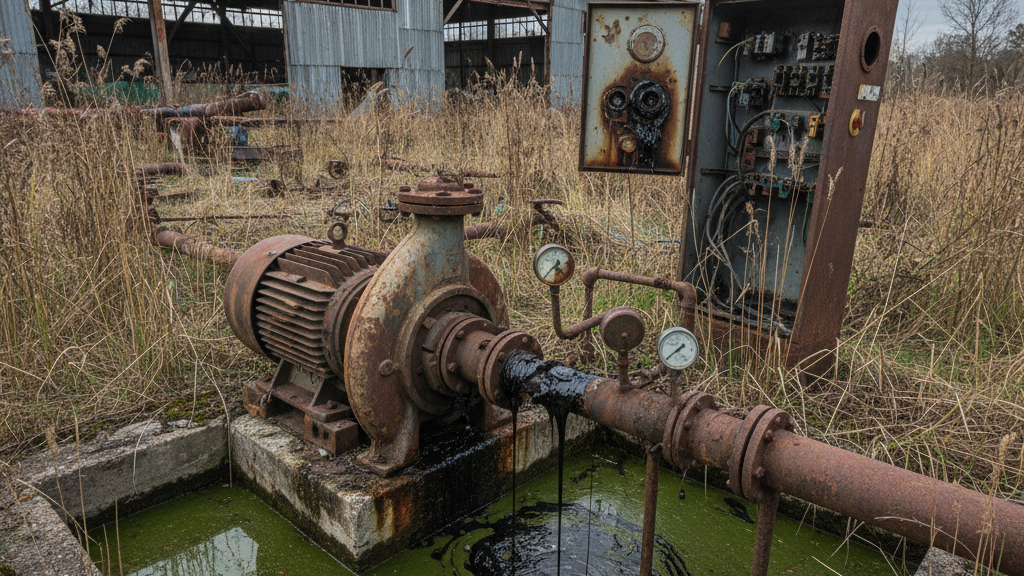
A variety of factors contribute to pump failure, leading to necessary evaluations outlined in the pump replacement or repair guide. Over time, an obsolete pump may struggle to meet modern demands, resulting in common pump problems such as reduced efficiency and unexpected breakdowns. Simple pump repairs can sometimes address wear and tear, but ignoring routine pump maintenance can exacerbate underlying issues, ultimately necessitating a complete replacement. It’s essential to recognize that pump-related issues arise from neglect, age, and improper installation.
Many pump issues stem from a lack of proper maintenance and oversight. Inadequate lubrication, blocked filters, or misaligned components can create significant difficulties. Understanding these factors helps users identify solutions through a clear pump replacement or repair guide. Upgrading to a new pump or a different pump that better fits the system may be necessary depending on the severity of the pump failure. Regular maintenance not only addresses immediate pump problems but also provides a structured approach to dealing with pump repairs, ensuring long-term performance improvements.
- Regularly check and replace worn-out parts to prevent larger issues.
- Ensure proper lubrication of moving components to reduce friction and wear.
- Clean or replace filters to avoid blockages that can impair pump function.
- Conduct routine inspections to identify misalignments or mechanical wear early.
- Monitor pump pressure and flow rates to detect deviations from normal operation.
- Train personnel on proper pump handling and maintenance procedures.
- Keep a detailed maintenance log to track service history and identify recurring issues.
Pump Replacement or Repair Options
Evaluating whether to pursue pump replacement or repair involves a thorough understanding of the specific pump system in question. A well-structured pump replacement or repair guide will help users assess their options based on the pump’s design and the nature of its failures. Common experiences with heat pump repair and vacuum pump repair emphasize the importance of selecting the right pump parts and consulting with reputable pump manufacturers. Efficient pump servicing is crucial for enhancing the lifespan of the equipment while ensuring pump safety. Understanding the cost implications and potential downtime associated with repairs versus full replacement leads to informed decision-making, optimizing functionality and performance within the system.
Evaluating the Need for Repair vs. Replacement
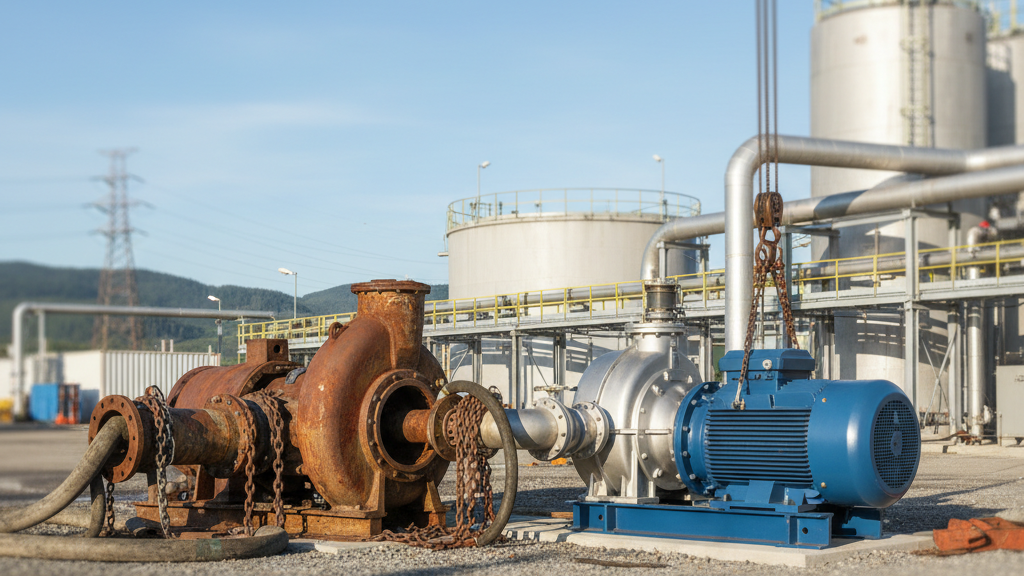
Assessing whether to repair or replace pump systems involves careful examination of both the existing pump components and their overall efficiency. A comprehensive pump system may contain various parts that could be repaired individually, potentially prolonging the life of the equipment. However, if the pump is outdated or an obsolete pump model, the benefits of maintaining it may not outweigh the costs. Transitioning to a modern pump could enhance pump efficiency and reduce long-term operational expenses, making it a worthwhile consideration.
Cost analysis plays a significant role in the decision-making process. Evaluating the potential expenses related to repair versus the investment required for pump replacement is crucial. This includes understanding the cost of pump parts and labor for repairs alongside the upfront cost of new, efficient pump operation. In some cases, updating with compliant pump equipment can lead to improved performance and reduced energy use. A detailed pump replacement or repair guide can aid in navigating these evaluations effectively.
Cost Considerations for Pump Repairs
Assessing the financial implications of pump repairs requires a comprehensive understanding of the pump replacement or repair guide. Costs can vary significantly depending on the specific pump components that need attention. For heat pump repairs, the age and reliability of the entire pump system play crucial roles. Common pump problems, such as worn-out bearings or damaged seals, often necessitate an evaluation of both repair and replacement options. An experienced pump technician can provide insight into whether addressing individual pump sales or opting for a complete system overhaul is more beneficial.
Budgeting for repairs also demands consideration of potential operational impacts. Inefficiencies in pump operations arising from faulty components can lead to increased energy consumption, adversely affecting overall system reliability. Upfront repair costs might seem appealing, but neglecting necessary upgrades can result in frequent system failures and higher long-term expenses. Keeping detailed records of previous repairs and consulting a pump replacement or repair guide can assist in making informed decisions about the best course of action for maintaining optimal pump settings.
- Consider the age of the pump and its components when evaluating repair costs.
- Compare the cost of repairs with the expense of a new pump installation.
- Factor in potential energy savings from upgraded components or systems.
- Review warranty options for repaired or replaced parts to minimize future costs.
- Consult with experts to assess the long-term viability of repairs versus replacements.
- Keep a detailed log of all repairs to identify recurring issues and their costs.
- Evaluate the impact of downtime on your operations when planning repairs.
Simple Pump Repairs
Understanding simple pump repairs is essential for maintaining optimal pump performance and extending the lifespan of your pump system. A well-maintained water pump can prevent potential pump failure, ensuring that the pump system functions as intended. Familiarity with a pump replacement or repair guide can help identify issues early, allowing for effective DIY repair techniques or deciding if a professional is needed. As you consider new pump applications, it’s important to evaluate the pump foundations supporting your system. Knowing the new pump price and the components involved can aid in assessing whether to repair or replace specific pump portions to avoid sudden pump failures. Regular pump system training can improve your ability to troubleshoot and execute necessary repairs efficiently.
DIY Repair Techniques
Understanding common water pump issues is essential for any pump system operator. Many pump designs have specific maintenance needs that can enhance their longevity. Regular pump inspection helps identify minor issues before they escalate into significant pump failures. Operators should familiarize themselves with their pump structure to effectively address problems. This knowledge can prevent the shorter pump life associated with neglected maintenance, especially in older systems that rely on outdated pumps.
Basic repairs can often be tackled by operators skilled in mechanical work. Simple tasks such as replacing seals or tightening fittings can resolve many common issues without needing to resort to a pump replacement or repair guide. For those dealing with newer pumps, manufacturer recommendations should be considered to ensure compliance and safety. Recognizing the limits of DIY efforts is crucial, as some problems may require professional intervention to avoid further damage.
When to Call a Professional
Identifying the right moment to call in an expert can significantly impact the maintenance and longevity of your pump system. If you’re dealing with an unsafe pump or complicated issues related to pump materials, a professional can provide insights that go beyond general troubleshooting. For instance, if you own a well-known pump model or are working with a comprehensive water pump installation, an expert in ANSI pump design can offer a step-by-step guide pump approach tailored to your specific needs.
Certain symptoms such as persistent low flow pump performance or strange noises can signal that repair is not enough. Relying on an expert water pump technician ensures that you understand all options available in your pump replacement or repair guide. With various common pump models in the market, choosing the right path—be it a repair or entire pump installation—can be better informed by professional advice.
Proper Pump Maintenance Practices
Effective pump maintenance practices are essential for ensuring optimal pump performance and extending the overall pump life span. A comprehensive pump replacement or repair guide emphasizes the importance of understanding pump knowledge, including various ANSI pump designs. Regular maintenance helps identify issues before they escalate into significant problems, such as a failing vacuum pump or pump dry situations. Routine checks can prevent costly repair work and mitigate unexpected pump installation costs. Knowing when to upgrade to a new heat pump or consult the right repair specialist can significantly impact operational efficiency. By adhering to maintenance best practices, operators can maximize their investment and make informed decisions regarding pump replacement or repair.
| Maintenance Task | Frequency | Description |
|---|---|---|
| Visual Inspection | Weekly | Check for leaks, unusual noises, and overall condition of the pump. |
| Lubrication | Monthly | Ensure that moving parts are lubricated to reduce wear and tear. |
| Filter Cleaning | Quarterly | Clean or replace filters to prevent blockages and improve efficiency. |
| Performance Testing | Biannually | Test the pump’s operating parameters to ensure they meet specifications. |
| Professional Inspection | Annually | Engage a specialist to conduct a thorough evaluation and maintenance of the pump. |
Routine Maintenance Tasks
Regular maintenance is essential for ensuring the longevity and efficiency of your pump system. A comprehensive pump replacement or repair guide emphasizes the importance of routine checks on components such as seals, filters, and fluid levels. For systems like heat pumps, it’s vital to monitor performance indicators regularly. Maintenance tasks can include cleaning or replacing filters, inspecting for leaks, and ensuring all parts function correctly. Using vacuum pump services can also enhance performance, particularly if you rely on a professional vacuum pump for critical applications.
Scheduling routine service for your heat pump system helps identify potential issues before they escalate into costly repairs. Following a pump replacement or repair guide facilitates timely interventions, which can save money and extend the lifespan of your systems. Consider scheduling immediate heat pump service if you notice unusual noises or fluctuations in performance. Regular inspections not only help maintain the current vacuum pump but also provide insights into whether repair or replacement parts are necessary to optimize efficiency.
Importance of Regular Inspections
Regular inspections play a crucial role in extending the lifespan of pumps, including ANSI pumps and end-suction water pumps. By evaluating components such as ANSI pump impellers and double suction pumps, operators can identify wear and tear before major failures occur. Consistent monitoring aids in outlining the overall repair workflow and understanding common replacement parts needed, such as seals and bearings. This proactive approach minimizes disruptions and aligns with the cost-effective vacuum pump strategies many facilities implement.
Neglecting regular inspections can significantly impact future repair costs and lead to unforeseen expenses associated with replacing essential components. By assessing the condition of dynapro pumps and their associated equipment, operators can streamline the repair process and avoid costly repairs that may arise from sudden breakdowns. Investing time in routine checks not only enhances the efficiency of pumps but also provides insight into when new vacuum pumps might be necessary, ultimately informing a well-rounded pump replacement or repair guide.
Pump Performance Improvement Techniques
Performance improvements in pump systems often require a detailed pump replacement or repair guide, which helps identify the best course of action. Owners should evaluate whether specific repairs or part replacement is necessary, considering the durability of their existing equipment. Sourcing replacement parts effectively can significantly reduce repair costs while ensuring that modern vacuum pumps operate efficiently. Proper repair planning is essential to minimize downtime and make effective repairs on durable sump pumps. Understanding the balance between repair costs and the benefits of upgrading components can lead to enhanced efficiency and prolonged service life for the pump system.
Enhancing Efficiency
Efficiency in pump systems can be significantly improved by following the pump replacement or repair guide. Identifying the right repairs for various types of pumps, such as vertical turbine pumps and double suction pumps, is crucial. Understanding centrifugal pumps basics can also provide insights into how to tweak operational parameters for optimal performance. For example, ensuring reliable repairs on a malfunctioning heat pump or implementing effective emergency HVAC repair strategies can dramatically improve energy efficiency and reduce operational costs.
Post-repair inspections and enhancements play an essential role in maintaining the efficiency of pumps. Regularly addressing previous repairs can prevent future malfunctions and prolong the lifespan of equipment like residential sump pumps. Integrating routine evaluations and timely upgrades ensures pumps operate at peak performance. By adhering to the pump replacement or repair guide, operators can effectively boost the reliability and efficiency of their pumping systems.
Upgrading Components for Better Performance
Upgrading components can significantly enhance pump efficiency and longevity. By consulting a pump replacement or repair guide, you can identify mechanical improvements that could be made to your existing system. Small repairs may be sufficient, but if past repairs have been numerous, it might be wise to consider major repairs or a total replacement. Understanding the relationship between repairs and performance allows for informed decisions that minimize long-term replacement costs.
Investing in upgraded components can also reduce the frequency of future repairs. A pump replacement or repair guide highlights the importance of selecting parts that align with your operational needs while optimizing performance. Scheduling a heat pump maintenance check can help determine whether a few strategic upgrades could avoid costly replacements down the line. Effective upgrades result not only in improved efficiency but also in extended intervals between necessary repairs.
Conclusion
Understanding the nuances of pump systems through a comprehensive pump replacement or repair guide empowers users to make informed decisions. Recognizing the signs of malfunction and knowing common causes can lead to precise repairs, ultimately extending the life of the equipment. Following a structured approach from evaluating the need for repair versus replacement to applying routine maintenance practices enhances overall efficiency. This pump replacement or repair guide serves as a valuable resource for anyone looking to improve their systems while navigating the complexities of pump management.
FAQS
How can a professional heat pump ensure that your particular pump system operates efficiently after repairs?
A professional heat pump technician can assess pump-related issues—from common pump problems to obsolete pumps. During the process, they will focus on crucial components like the reversing valve and ensure that the pump maintenance is an opportunity to improve its performance. Additionally, post-repair ensures that the pump system reliability is optimized by using high-quality replacement components and scheduling heat pump service to prevent future pump system failures.
What are the common signs that indicate a heat pump repair is necessary for your system?
Signs that indicate a heat pump repair is necessary include unusual noises, inconsistent temperatures, and increased energy bills. It’s essential for pump system operators to be aware of these common pump problems, as addressing heat pump installation issues promptly can prevent more extensive repairs. Regularly scheduled maintenance can also help to identify water pump needs and ensure that pump components are functioning correctly, which ultimately helps in sourcing replacement parts for modern pump systems.
What are the important factors to consider when scheduling heat pump repairs or replacements, and how can understanding common pump problems aid in the decision-making process?
When scheduling heat pump repairs or replacements, it’s crucial to evaluate the common pump problems your system might face. Understanding these issues can help pump operators identify whether multiple repairs might be needed or if a full replacement would be more cost-effective. Additionally, sourcing replacement parts that are pump compliant ensures that the pump components are compatible, which can lead to more efficient operation after repairing or replacing. Remember, a vacuum pump isn’t always the right solution, so weigh your options carefully before proceeding.
What are the steps to take if you’re unsure whether to schedule heat pump repairs or replacement for your aged pump system?
If you’re uncertain about whether to schedule heat pump repairs or replacement, first evaluate the age and efficiency of your current pumps. Common pump problems that arise can be a strong indication of the need for replacements. Consider consulting with a professional who can provide a source for replacement parts and ensure that repairs result in optimal performance. Moreover, understanding the condition of the pump components can aid significantly in making your decision.
What are the different types of pumps that can be considered for replacement and how do common pump problems affect the choice of replacement parts?
When considering pump replacement, it’s important to evaluate various types of pumps, including specific models that suit your system’s needs. Common pump problems often dictate the choice of replacement parts, as faulty pump components can lead to inefficiencies. To ensure an optimal performance of the new pumps, it’s advisable to source high-quality replacement parts that specifically address these common issues.
What are some effective strategies for troubleshooting common pump problems that may lead to a need for pump replacement or repair?
Troubling common pump problems often requires a systematic approach to identify the issue. First, inspect the pump components for wear or damage, as these can impact the performance of pumps. If issues persist, consider checking the power source for any disruptions that may hinder operation. By addressing these areas, you can determine whether the pump needs simple repairs or if a replacement is needed and what specific replacement parts may be suitable.
What are the benefits of understanding common pump problems when considering pump replacement or repair for your system?
Understanding common pump problems is crucial when addressing issues that may lead to the need for repairs or replacement. Knowing how these problems can affect your pump components allows you to select appropriate source replacement parts and ensure that your pumps operate efficiently. By identifying the signs of trouble early, you can prevent more serious damages and prolong the lifespan of your pumped system.
What are the key pump components to inspect for common pump problems before deciding on repairs or replacement?
Before deciding on repairs or replacement, it’s crucial to inspect various pump components that may reveal common pump problems. Issues in pump components, such as worn-out seals, damaged impellers, or malfunctioning motors, can significantly affect pump performance. Identifying these common pump problems early can help you determine whether to repair the existing pump or opt for a replacement, ensuring you choose the right pumps for your needs.
What pump components should you check for common pump problems before deciding on repairs or replacement for your system?
When assessing your system for potential issues, it’s essential to inspect key pump components such as the motor, seals, and impellers, as common pump problems often stem from wear or damage in these areas. Additionally, the types of pumps include centrifugal and positive displacement pumps, each with its specific failure points. Identifying these common pump problems can guide your decision-making regarding whether to opt for repair or replacement of the pumps in your system.
What specific pump components should you evaluate to identify common pump problems before making a decision on repairs or pump replacements?
Before deciding on repairs or pump replacements, it’s critical to evaluate certain pump components. Common pump problems may arise from issues with the motor, impeller, seals, or bearings. Understanding how these components function can help determine whether your pumps require maintenance or replacement and ensure optimal performance in your system.