Essential Q1 Pump Maintenance Checklist for Optimal Performance
Key Takeaways
- Significance of consistent upkeep for Q1 pumps
- Elements included in the Q1 pump maintenance list
- Everyday upkeep responsibilities for Q1 pumps
- Weekly care suggestions for optimal performance
- Monthly maintenance tips for reliability
- Yearly service tasks for comprehensive evaluation
- Frequent problems discovered during maintenance checks
Importance of Regular Q1 Pump Maintenance
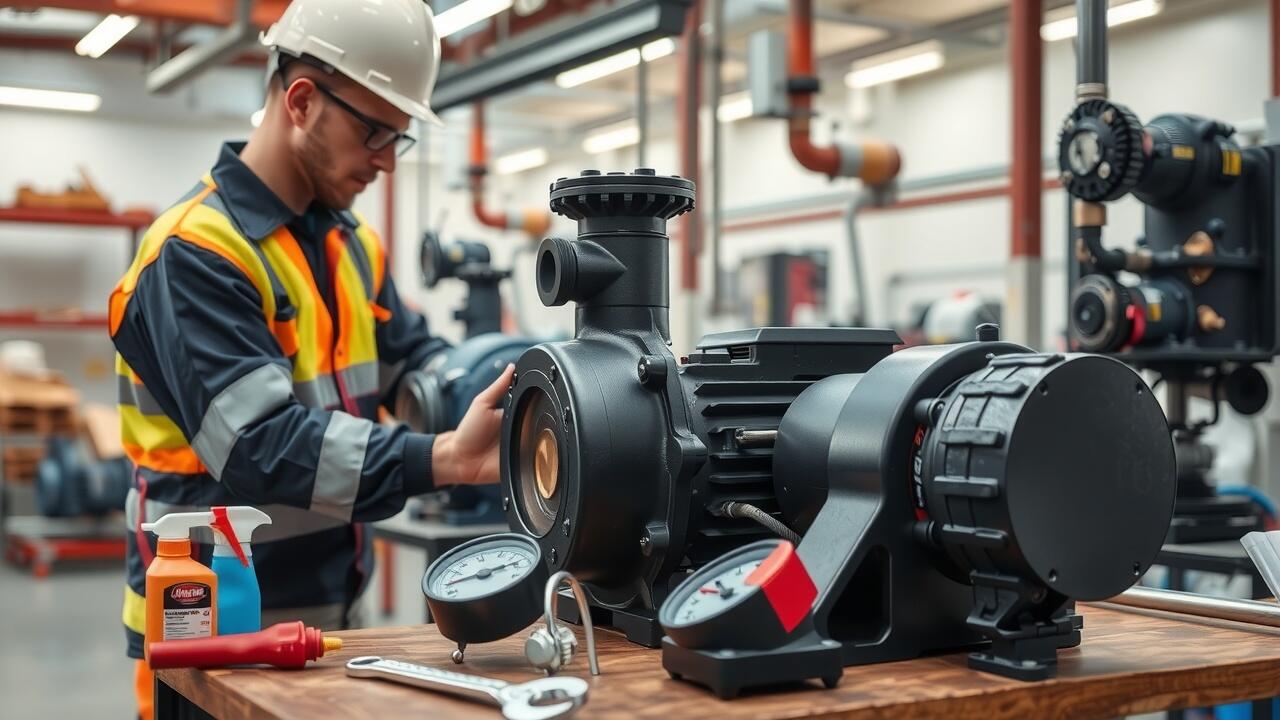
Regular maintenance of Q1 pumps is crucial for ensuring optimal performance and reliability. Following a comprehensive Q1 pump maintenance checklist helps identify potential issues before they escalate, integrating techniques such as condition-based maintenance and predictive maintenance. Routine maintenance practices, including preventive maintenance, play a vital role in extending the lifespan of pumps while minimizing the need for corrective maintenance. Implementing a structured approach to repair and maintenance not only enhances overall efficiency but also reduces operational costs associated with unexpected failures. By prioritizing both routine and comprehensive inspections, facility managers can effectively sustain pump functionality and mitigate risks.
Enhancing Efficiency and Longevity
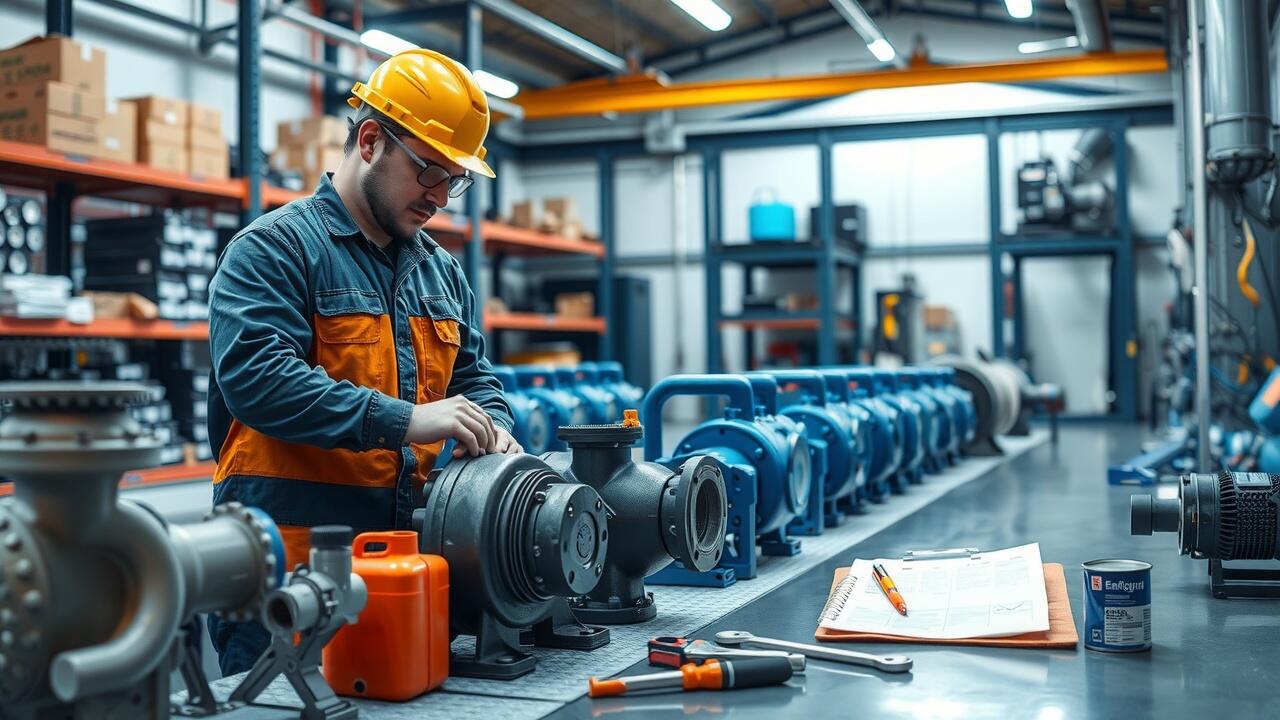
Regular maintenance is critical for improving the efficiency and longevity of Q1 pumps. Following a detailed Q1 pump maintenance checklist allows operators to monitor the condition of essential components. Key elements such as valves and throttle valves require routine checks to ensure optimal operation. Condition monitoring plays a significant role in identifying potential issues before they escalate into costly repairs. Regular inspections help maintain pump performance and reduce the likelihood of unexpected failures.
A proactive maintenance approach fosters longer service life for pumps and minimizes downtime. Implementing effective checks and repairs, as specified in the Q1 pump maintenance checklist, can prevent premature wear. Thorough attention to vacuum pump efficiency can enhance overall system performance. Consistent maintenance not only extends the lifespan of equipment but also contributes to smoother operations. Prioritizing these tasks aligns with best practices for maintaining high-performing pumps.
Reducing Operational Costs
Regular adherence to the Q1 pump maintenance checklist can significantly lower operational costs in the long run. Routine inspections of centrifugal pumps and vacuum pumps help identify potential issues like leakage before they escalate into costly repairs. By checking filters and valves frequently, operators can ensure efficient performance and prevent unexpected downtime, which can be financially burdensome.
Investing time in the maintenance checklist promotes consistent monitoring of wiring and mechanical components. Catching minor issues during inspections prevents major failures and the associated high costs of replacement parts. By implementing these preventive measures, companies can keep their operational expenses manageable while maximizing the lifespan and efficiency of their pumping systems.
Components of the Q1 Pump Maintenance Checklist
An effective Q1 pump maintenance checklist is crucial for ensuring optimal performance and minimizing unexpected downtime. Regular visual inspection procedures should be included to identify any signs of corrosion or wear on components. The checklist also emphasizes necessary pump maintenance checks, such as examining filters for clogs and assessing the integrity of seals and gaskets. A systematic approach to these checks enhances workflow efficiency within the pump maintenance program, helping to address issues before they escalate. Implementing a thorough pump checklist not only prolongs the lifespan of the equipment but also contributes to reduced operational costs and improved reliability.
Visual Inspection Procedures
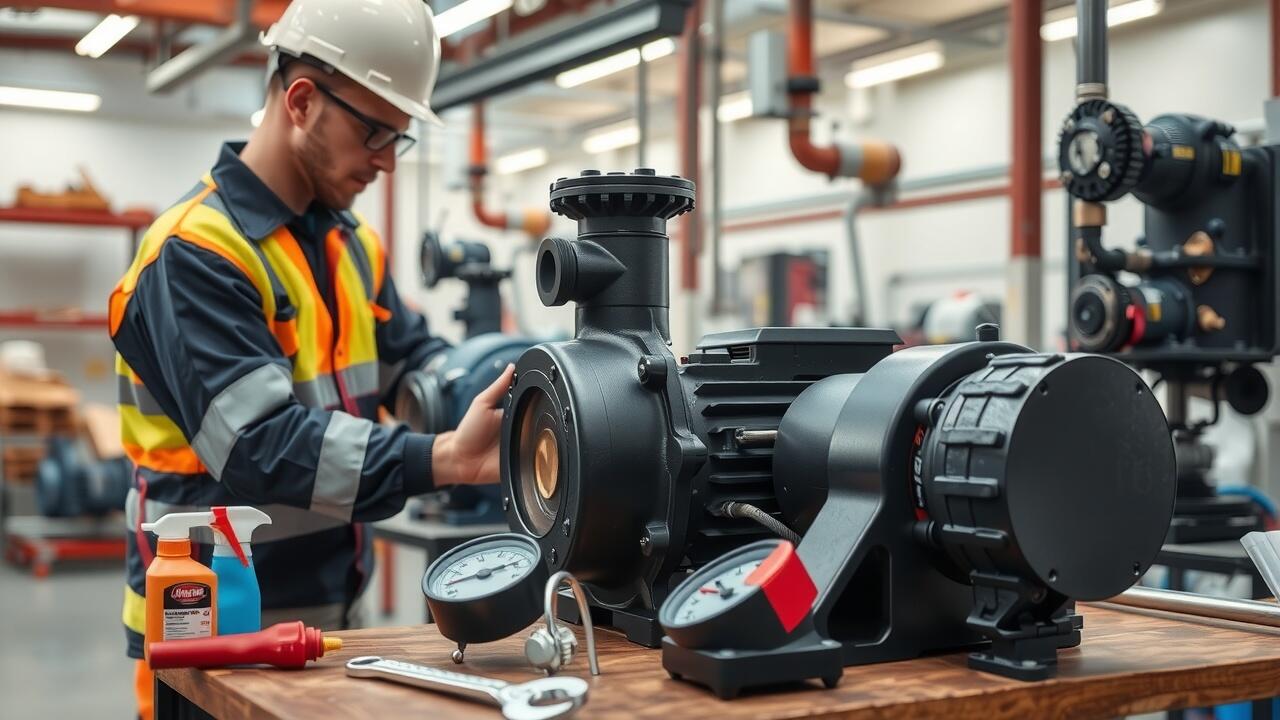
A thorough visual inspection is crucial in the Q1 pump maintenance checklist. During this process, operators should closely evaluate pump housing, connections, and the surrounding area for any signs of wear, corrosion, or damage. Adhering to the maintenance checklist ensures that no pump maintenance items are overlooked, effectively addressing the pump maintenance needs. Identifying potential issues early can significantly reduce the risk of unexpected failures, enhancing overall equipment reliability.
Regular pump maintenance tasks include checking for leaks or signs of fluid accumulation. This not only contributes to efficient operation but also aligns with preventive maintenance pump strategies aimed at prolonging the lifespan of the pump. Operators should document their findings to keep a comprehensive record, which aids in tracking trends over time. Maintaining vigilance during visual inspections is a key component of effective preventive pump maintenance, reinforcing the importance of a proactive approach to Q1 pump maintenance.
Mechanical Component Checks
Regular mechanical checks are crucial for the longevity of the Q1 pump. These inspections should be part of a comprehensive pump maintenance approach. A Q1 pump maintenance checklist will often highlight areas such as bearings, couplings, and shafts, which require attention. Engaging in practical pump maintenance not only identifies issues early but ensures that the pump operates efficiently throughout its lifecycle. Adhering to a well-structured pump maintenance schedule guarantees that mechanical components remain in optimal condition.
Conducting thorough pump inspections is essential for detecting wear and tear. The preventive maintenance checklist should clearly outline the specific mechanical components that need to be checked regularly. This aligns with the daily pump maintenance tasks that prioritize quick assessments. Detailed maintenance checks can reveal underlying problems before they escalate into costly repairs. Ultimately, the success of any Q1 pump maintenance checklist lies in consistently monitoring these mechanical aspects, ensuring reliability and performance.
Daily Maintenance Tasks for Q1 Pumps
Regular daily tasks play a crucial role in ensuring optimal performance of Q1 pumps. The Q1 pump maintenance checklist includes listening for unusual sounds, which can indicate underlying issues requiring immediate attention. Daily checks of fluid levels help maintain efficiency and prevent potential breakdowns. Pump maintenance teams should prioritize the inspection of pump filters, ensuring they are clean and functioning correctly to meet pump monitoring requirements. Implementing a well-structured pump maintenance routine enhances the longevity of the system, while customizable pump maintenance plans may further suit specific operational needs. Regular vacuum pump maintenance can significantly reduce the likelihood of system failures, highlighting the importance of a thorough pump system inspection.
- Regularly check for leaks around connections and seals.
- Clean the pump casing and surrounding area to prevent dust accumulation.
- Inspect electrical connections and wiring for signs of wear or damage.
- Monitor vibration levels to identify any irregularities in the pump’s operation.
- Keep a detailed log of maintenance activities and observations for future reference.
- Test the emergency shut-off mechanism to ensure it is functional.
- Review and update safety protocols related to pump operation and maintenance.
Listening for Unusual Sounds
An effective Q1 pump maintenance checklist includes listening for any unusual sounds that may indicate potential issues. Centrifugal pump maintenance relies heavily on auditory cues; strange noises can suggest misalignment, cavitation, or bearing wear. Addressing these pump issues early can prevent more significant problems and ensure the longevity of the equipment. A standard maintenance routine that incorporates regular sound checks can help verify pump speed and overall operation.
Being vigilant about unusual sounds is essential for any maintenance program that strives for reliability. These auditory signals can provide insight into the health of the pump and foreshadow pump failure if ignored. Implementing maintenance solutions quickly upon detection of odd noises minimizes downtime and can reduce the need for more extensive repairs, such as vacuum pump repair. Following a robust Q1 pump maintenance checklist will enhance operational efficiency and extend the life of the pump within the maintenance programs in place.
Checking Fluid Levels
Regularly assessing fluid levels is a critical aspect outlined in the Q1 pump maintenance checklist. This systematic tool is used to inspect and evaluate pump conditions, helping to identify any discrepancies that could affect pump reliability. By performing these checks, maintenance work can be streamlined, allowing technicians to quickly repair components that may be running low on essential fluids, thus reducing potential downtime. Keeping accurate records of fluid levels also aids in updating the maintenance schedule accordingly.
Fluid levels significantly influence the performance and longevity of the pump. Proactive maintenance through regular system checks ensures that the pump operates smoothly. Addressing specific maintenance requirements related to fluid management minimizes the chances of operational failures. The Q1 pump maintenance checklist emphasizes this task, encouraging a smoother maintenance program that enhances pump reliability and efficiency.
Weekly Maintenance Guidelines
A proactive maintenance strategy is essential for keeping pump systems running smoothly and efficiently. The Q1 pump maintenance checklist should include thorough inspections of seals and gaskets as they play a crucial role in ensuring reliable pumps operate without leaks. Pump technicians need to conduct these checks regularly to identify any wear or damage that may lead to complex maintenance issues later. Testing pressure and flow rates during weekly maintenance helps ensure optimal pump operation, allowing operators to make timely repairs. By adhering to a structured maintenance schedule, such as quarterly maintenance, facilities can reduce the risk of unexpected breakdowns and extend the lifespan of their pumps.
Inspecting Seals and Gaskets
Regular inspection of seals and gaskets is a crucial part of the Q1 pump maintenance checklist. Quality pump performance relies heavily on the integrity of these components. Ensuring that pump seals are in good condition can prevent leaks and maintain efficiency. Utilizing maintenance software can help track the status of these seals as part of overall preventive maintenance tips. Addressing issues early can save on costly repairs and downtime in the future.
Basic maintenance tasks should always include checking pump seals during scheduled inspections. Pumpworks require attention, and identifying any deterioration in seals enhances the operational reliability of the pump. By incorporating preventive maintenance software, operators can ensure that tasks such as seal inspection are not overlooked. This proactive approach is essential for implementing effective pump solutions that uphold performance standards.
Testing Pressure and Flow Rates
Regular testing of pressure and flow rates is essential for ensuring optimal pump function. This task should be a part of the Q1 pump maintenance checklist, highlighting its importance in both routine maintenance schedules and annual maintenance tasks. Failing to adequately test these parameters can lead to indicators of imminent pump failure, making it necessary to integrate this step into a preventive maintenance policy to avoid costly repairs down the line.
Effective vacuum pump servicing requires a keen eye on the pressure and flow rates, as discrepancies can signal underlying issues. Incorporating these tests into your maintenance schedules supports proactive management of pump health. A thorough understanding of pressure readings and flow dynamics enhances your routine maintenance schedule, ensuring that all electrical checks and mechanical inspections contribute towards maintaining overall equipment efficiency.
| Test Type | Recommended Frequency | Typical Range | Possible Issues |
|---|---|---|---|
| Pressure Test | Monthly | 15-20 PSI | Leakage, Blockages |
| Flow Rate Test | Quarterly | 20-30 GPM | Pump Cavitation, Impeller Damage |
| Vacuum Test | Bi-annually | Below 25 inHg | Sealing Issues, System Leaks |
| Electrical Resistance Test | Annually | 1-5 Megaohms | Short Circuits, Insulation Failures |
Monthly Maintenance Recommendations
Regular adherence to the Q1 pump maintenance checklist is crucial for sustaining the operational health of any pump system. Key elements include cleaning strainers and filters to prevent clogs that can lead to pump malfunctions. Following maintenance tasks should also encompass lubrication of moving parts, which is essential for ensuring smooth operation and minimizing wear. By incorporating these important maintenance tasks into a comprehensive maintenance plan, operators can preempt significant repair needs. Regular inspection of standard pump models for proper pump alignment further enhances efficiency and extends the lifespan of the equipment. Following these maintenance guidelines is vital for maintaining optimal performance and preventing costly downtime.
Cleaning Strainers and Filters
Strainers and filters play a critical role in ensuring the smooth operation of a Q1 pump system. As part of the Q1 pump maintenance checklist, they require attention during monthly maintenance to prevent debris buildup that can impair performance. Regular maintenance safeguards against potential issues that could arise from clogged filtering systems. Inspecting these components helps maintain optimal fluid flow through the pump type and ensures the efficiency of pump system connections.
Maintenance tasks focused on cleaning strainers and filters cannot be overlooked in annual maintenance schedules. Failure to address this essential step may lead to more significant problems, necessitating corrective maintenance tasks. A thorough inspection allows technicians to assess the condition of the shaft pump and related components, thus adhering to a regular maintenance schedule that promotes longevity and reliability in pump performance.
| Maintenance Task | Frequency | Tools Needed |
|---|---|---|
| Inspect Strainers | Monthly | Visual Inspection Tools |
| Clean Filters | Quarterly | Cleaning Brush, Water Pressure |
| Replace Filters | Annually | Replacement Filters, Wrenches |
| Check for Leaks | Monthly | Leak Detection Solutions |
Lubrication of Moving Parts
Regular lubrication of moving parts is crucial for the optimal performance of Q1 pumps. The Q1 pump maintenance checklist should emphasize this aspect to ensure that all components operate smoothly within the pump environment. Proper lubrication reduces friction and wear, allowing the pump handles to work efficiently. Utilizing top-quality repair lubricants as recommended by the pump manufacturer can significantly enhance the lifespan of the equipment.
Routine lubrication checks can prevent potential pump failure. It is essential to assess the condition of lubricated parts regularly, as this impacts the effectiveness of the checklist. During maintenance, attention should also be given to the pump control panel to identify any indicators of lubrication issues. To keep your pump in peak operational condition, choose pumpworks that provide comprehensive maintenance services focused on lubrication and overall performance.
Annual Maintenance Activities
A comprehensive system inspection is crucial for effective Q1 pump maintenance. Following the Q1 pump maintenance checklist ensures that all components are thoroughly examined for wear and functionality. Different pump manufacturers may have specific recommendations based on the pump model, emphasizing the need for adherence to their guidelines. A consistent maintenance schedule requires not only visual checks but also testing for throttle valve operation. Cleaning the pump exterior plays a vital role in preventing debris accumulation that could hinder performance. Utilizing an fmx checklist can help streamline these maintenance activities, ensuring nothing is overlooked. By regularly assessing the overall pump system, operators can identify issues early and prevent costly downtimes.
Comprehensive System Inspection
A thorough examination of critical pumps is essential to ensure their optimal performance. The Q1 pump maintenance checklist serves as a valuable tool for pump engineers to outline common maintenance chores necessary for preventing major failures. This process includes pressure checks to verify that the pump operates within acceptable limits and identifies any potential issues early on. Implementing these various maintenance jobs—from flushing pumps to inspecting hoses—can significantly extend the lifespan of the equipment.
Regular system inspections should be a key element of a large maintenance schedule. This proactive approach allows for identifying routine wear and tear that might not be apparent during daily maintenance. Features such as the pump switch should be tested to ensure responsiveness and reliability. By meticulously following the Q1 pump maintenance checklist, pump engineers can assure that every component is functioning correctly, ultimately minimizing the risk of unexpected breakdowns.
- Regularly inspect hoses and connections for signs of wear or leaks.
- Perform routine pressure checks to ensure optimal operation within specifications.
- Test the responsiveness of pump switches and controls during each inspection.
- Schedule periodic flushing of the pump to remove any debris or buildup.
- Document findings and any corrective actions taken during inspections for future reference.
- Incorporate vibration analysis to detect potential mechanical problems early.
- Conduct thermal imaging inspections to identify overheating components.
Replacing Worn Out Parts
A thorough Q1 pump maintenance checklist is essential for identifying and replacing worn-out components that affect performance. Regular checks, including fluid level checks and inspecting motor insulation, help detect potential issues early. Consistent maintenance ensures that vacuum pump needs are met, prolonging the life of the unit and optimizing its efficiency. Routine inspections of external flush pumps can reveal wear patterns that require attention to prevent unexpected failures.
Replacing components before they fail is a key aspect of effective pump management. Following the checklist items diligently allows operators to keep track of critical maintenance tasks. This proactive approach reduces downtime and enhances the reliability of the pumping system. Timely replacements safeguard against costly repairs and improve overall operational efficiency, making regular maintenance a vital practice in any industrial setting.
Common Issues Identified During Maintenance
Common issues during Q1 pump maintenance often arise from inadequate adherence to a maintenance routine. A thorough Q1 pump maintenance checklist is essential to identify potential problems early, ensuring optimal pump performance. Regular oil checks play a crucial role in preventing lubrication failure that can lead to severe damage. Operators should determine maintenance frequency based on the pump’s usage and condition. Trust Quincy Compressor to provide guidance on maintaining a proper vacuum pump. Implementing a routine inspection schedule with basic checklists helps catch issues like vibration problems and leaks before they escalate. Addressing these concerns promptly is vital for extending the lifespan of both existing and new pumps.
Vibration Problems and Solutions
Regular monitoring of pump vibration is critical for maintaining overall pump health. A systematic approach utilizing a Q1 pump maintenance checklist can help identify abnormal vibration levels that may indicate underlying issues. Many pump manufacturers suggest fitting vibration sensors to continuously assess performance. By maintaining thorough maintenance records and adopting a digital checklist system, operators can better track changes over time and preempt unforeseen pump breakdowns.
Addressing vibration issues often requires inspecting components such as throttle valve stems and ensuring they are functioning correctly. Implementing a detailed checklist during maintenance can elevate pump efficiency by highlighting potential problems before they escalate. Timely solutions to vibration problems will contribute significantly to extending the lifespan of the pump and preserving its operational integrity.
Leakage Detection Techniques
Effective leakage detection is crucial in maintaining pump health and preventing unforeseen pump breakdowns. Adhering to a Q1 pump maintenance checklist allows technicians to systematically evaluate potential leak sources, including throttle valve stems and seals. Many pump manufacturers recommend using a digital checklist system to streamline documentation and enhance the accuracy of maintenance records. This approach not only supports ongoing monitoring of pump efficiency but also empowers operators to address issues promptly before they escalate.
Regular checks for leaks should be incorporated into the detailed checklist as part of the Q1 pump maintenance checklist. Focusing on areas prone to pump vibration can significantly improve overall system reliability. Utilizing tools such as ultrasonic leak detectors can aid in identifying even the smallest leaks. By ensuring that these detection techniques are part of routine maintenance, operators can extend the lifespan of their pumps and mitigate costly repairs.
Conclusion
Maintaining a comprehensive Q1 pump maintenance checklist is crucial for the efficient operation of centrifugal pumps. Implementing a standard maintenance routine within your maintenance program helps identify potential pump issues before they escalate into serious problems, such as pump failure. Regular checks such as verifying pump speed and inspecting for vibrations can lead to effective maintenance solutions. Addressing concerns like leakage promptly and performing vacuum pump repair when necessary can prolong the life of your equipment. Adopting structured maintenance programs ensures that all aspects of Q1 pump maintenance are addressed systematically, safeguarding against unexpected downtime and costly repairs.
FAQS
What should be included in a preventative maintenance checklist for proper pump maintenance?
A comprehensive preventative maintenance checklist for effective pump maintenance typically includes steps to inspect the pump and its components, such as checking pump filters, inspecting the shaft pump, checking pump seals, and cleaning the pump exterior. It’s also advisable to include checks for motor insulation and to update the maintenance schedule regularly. This checklist serves as a systematic tool used to inspect and evaluate pump conditions, ensuring the effectiveness of the provided checklist for ongoing preventative pump maintenance.
How can I ensure the effectiveness of my pump maintenance routine?
To ensure the right pump maintenance, you should implement a regular maintenance checklist that includes items like checking pump filters, inspecting the pump and its seals, and updating the maintenance schedule regularly. Additionally, it is vital to inspect the shaft pump, check the motor insulation, and clean the pump exterior to maintain proper maintenance. This comprehensive approach will improve the checklist effectiveness of your provided pump maintenance plan.
What are the essential steps to follow during a comprehensive pump maintenance procedure?
To perform a comprehensive pump maintenance procedure, you should check pump filters, inspect the pump, update the maintenance schedule, check pump seals, inspect the shaft pump, clean the pump exterior, and check motor insulation. These steps will help ensure the pump operates efficiently and extends its lifespan.
How can I effectively manage my pump maintenance by remembering to inspect pump components and update my maintenance schedule regularly?
To effectively manage your pump maintenance, you should establish a routine that includes critical tasks like inspect pump components for wear and damage, update maintenance schedule to reflect any changes or inspections needed, inspect shaft pump for signs of corrosion or misalignment, and clean pump exterior to prevent dust and debris buildup. These practices will help enhance the longevity and efficiency of your pump system.
What are the best practices for conducting pump maintenance to enhance efficiency?
To enhance efficiency during pump maintenance, it is essential to regularly inspect all components, keep a detailed maintenance log, perform routine checks for leaks, and ensure that the pump is operating within its specified parameters. Consistently implementing these best practices will extend the lifespan of the pump and optimize its performance.