
Choosing A Perimeter Drain System | A Comprehensive Guide to Choosing the Right Perimeter Drain System for Your Basement
Key Takeaways
- Comprehending perimeter drainage systems
- Varieties of perimeter drainage solutions
- Considerations when selecting a perimeter drainage system
- Functionality of perimeter drains
- Setup of perimeter drainage systems
- Upkeep and management for perimeter drains
Understanding Perimeter Drain Systems
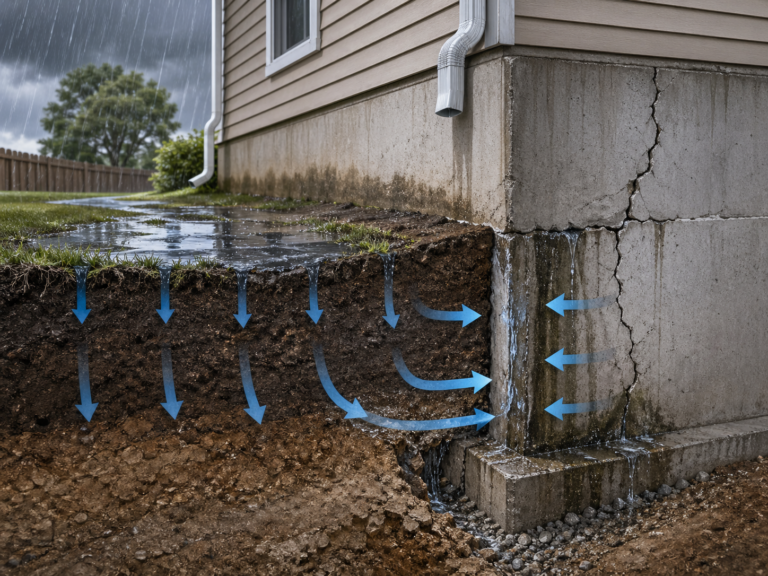
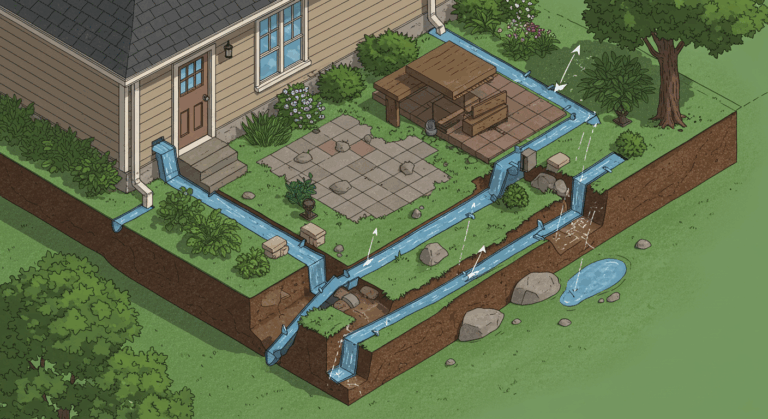
A perimeter drain system is essential for managing water around a property, ensuring that excess moisture does not compromise the foundation. These systems utilize various types of drains, including French drain systems, trench drains, and slot drains, to effectively channel water away from the drainage area. Choosing a perimeter drain system involves evaluating the specific drainage needs of the property and determining the most suitable design. Key components like drain tiles play a crucial role in collecting and directing water to the sewer system, thereby preventing potential flooding and structural damage. Understanding the mechanics of these drainage systems is vital for homeowners seeking to protect their investment from moisture-related issues.
| Drain Type | Description | Best Use Case | Installation Difficulty |
|---|---|---|---|
| French Drain | Perforated pipe surrounded by gravel to redirect water | Basements and around foundations | Moderate |
| Trench Drain | Channel drain that collects surface water | Driveways and patios | Easy to Moderate |
| Slot Drain | Thin linear drain with a narrow opening | Aesthetic outdoor areas and low-spot drainage | Moderate |
| Drain Tile | Perforated pipe installed underground for collecting water | Whole property drainage | High |
What is a Perimeter Drain System?
A perimeter drain system is designed to manage water around the foundation of a home, preventing water infiltration that could lead to serious damage. This type of system typically involves the installation of drainage tiles or trench drains that collect and direct water away from the structure. Various methods, including the use of French drains or channel drains, help to ensure that water does not accumulate around the basement or foundation. Homeowners must consider choosing a perimeter drain system that best addresses their specific drainage needs to protect their property from leaks.
Basement waterproofing is a critical aspect of maintaining a dry and safe living space. The perimeter drain system is integral in this process, as it helps route excess water away from the foundation and into a sewer or drainage area. Properly functioning systems prevent damaging leaks that could otherwise compromise the integrity of the basement. Whether utilizing a garden hose to test for leaks during installation or evaluating existing setups, understanding how to maintain the system is key to long-lasting protection against water-related issues.
Importance of Effective Perimeter Drainage
Effective perimeter drainage is essential for protecting basements from the damaging effects of groundwater seepage. Choosing a perimeter drain system that efficiently channels groundwater flow away from the home significantly reduces the risk of water entering the basement. Systems often incorporate french drains, which use PVC pipes to direct surface water and groundwater away from the foundation. Regular maintenance, such as flushing the drain with a hose, ensures the system remains clear and functional.
Preventative measures against flooding and moisture accumulation in basements are crucial, particularly in regions with high rainfall or poor drainage. A properly installed perimeter drain system not only manages excess water but also provides peace of mind for homeowners. By selecting the right materials and ensuring effective drainage patterns, homeowners can minimize the impact of surface water and groundwater on their property’s integrity.
Types of Perimeter Drain Options
Selecting the right perimeter drain system is essential for managing groundwater effectively. Interior perimeter drain systems typically involve laying plastic pipes in trenches along the foundation’s floor, directing water towards a sump pump to handle excess water runoff and prevent leaks. On the other hand, exterior perimeter drain systems focus on waterproofing the foundation by directing surface water away from the home using drains installed around the perimeter. Both options have distinct advantages, and a complex system may be necessary depending on the specific drainage needs of a property, especially where appliances like washing machines are located, which can contribute to increased water levels. Ultimately, careful assessment is crucial in choosing a perimeter drain system that best suits individual circumstances.
Interior Perimeter Drain Systems
Interior perimeter drain systems are designed to manage water accumulation within a home’s foundation. These systems typically involve the installation of perforated pipes placed along the foundation walls, covered with gravel and tiles. This setup efficiently directs water that enters the crawl space or basement away from the foundation, reducing the risk of flooding and subsequent water damage. Favorable for homes with a history of moisture issues, these systems provide peace of mind by preventing water from accumulating against foundation walls.
Choosing a perimeter drain system involves carefully evaluating the layout of existing structures and potential water flow patterns around the property. A well-functioning perimeter drain system collects and channels water to a sump pump or drainage outlet. Homeowners should consider factors such as the size of the crawl space, soil type, and the severity of flooding risks. Effective installation of a working perimeter drain is crucial for safeguarding the integrity of the home’s foundation.
Exterior Perimeter Drain Systems
Exterior perimeter drain systems are designed to redirect water away from a property’s foundation, protecting against water damage and structural issues. Choosing a perimeter drain system involves evaluating various factors, including the existing landscape and potential water flow. A good perimeter drain should be well-built and installed properly to ensure it functions effectively. Homeowners often compare these systems to interior perimeter drain designs, with an extensive perimeter drain typically providing superior performance for exterior applications.
A well-functioning perimeter drain system captures excess water before it can infiltrate the foundation. This involves the installation of an extensive perimeter drain that channels water away from the property efficiently. A successful perimeter drain not only prevents flooding but also maintains the integrity of the structure. For those contemplating a new perimeter drain, understanding the differences between a well-installed exterior system and an average perimeter drain is crucial for long-term effectiveness.
- Evaluate the landscape to determine the best drainage solution.
- Ensure proper installation to maximize the system’s efficiency.
- Use high-quality materials to enhance durability and effectiveness.
- Regularly inspect and maintain the perimeter drain to prevent clogs.
- Consider professional assistance for installation to ensure compliance with local regulations.
- Monitor water flow patterns after installation for any necessary adjustments.
- Educate yourself on potential signs of drainage issues for timely interventions.
Factors to Consider When Choosing a Perimeter Drain System
Choosing a perimeter drain system involves careful consideration of several key factors that can significantly affect the effectiveness of your drainage solution. An assessment of your property’s unique drainage needs is crucial, as it informs whether to opt for an interior perimeter drain system or an exterior perimeter drain. The design and layout of your home, along with soil conditions, will guide you in selecting a suitable perimeter drainage system. A well-designed drain system not only addresses water management but also prevents future issues like flooding or mold growth. By examining various drain systems and understanding the mechanics behind basement perimeter drains and their components, homeowners can ensure they invest in a thorough drain system that meets their specific requirements.
Assessing Your Property’s Drainage Needs
Understanding your property’s unique drainage needs is crucial in choosing a perimeter drain system that effectively addresses potential water issues. Analyzing the landscape, soil type, and existing drainage features helps determine whether you need exterior perimeter drains or a footing drain system. A well-maintained drain system is vital for preventing water from accumulating around your foundation, which can lead to costly damage. Assessing the type of basement perimeter drainage needed will guide you in selecting the most suitable drain option, ensuring water is efficiently directed away from your home.
Regular inspection and maintenance of your drainage system play a significant role in its performance. Ensuring that drain covers are in place and functioning can prevent debris from clogging the system. Each property may present different challenges, making it important to explore various drain solutions that fit your specific needs. Whether considering a basement drain or other important drain options, taking the time to evaluate your property will help secure a reliable drainage system that supports the longevity and integrity of your home.
Evaluating Drain System Designs
Selecting an effective drainage system involves understanding different designs that suit your property’s unique needs. For instance, choosing a perimeter drain system requires consideration of both interior and exterior options. An interior basement drain, often installed alongside footing drains, helps manage water accumulation within the basement. These interior drainage systems can work seamlessly with trench drain systems to ensure water is directed away from critical areas.
The design of an exterior basement drain plays a vital role in preventing flooding and water damage. An ideal basement perimeter incorporates numerous functionalities, such as efficiently routing water through drain pipes. Evaluating the layout of your yard drainage system is essential to ensure that all aspects work together. This strategic planning helps achieve optimal performance of your perimeter system, leading to a well-functioning and reliable drainage solution.
- Assess the soil type and drainage patterns on your property.
- Consider local climate conditions that may affect drainage needs.
- Evaluate the importance of access points for maintenance and cleaning.
- Ensure that the system complies with local building codes and regulations.
- Look for systems with proven reliability and positive user reviews.
- Plan for future expansion or modification of the drainage system if necessary.
- Consult with professionals to get tailored advice specific to your property.
How Perimeter Drains Work
A well-functioning perimeter drain system plays a crucial role in managing water around a building’s foundation. Choosing a perimeter drain system involves selecting between interior and exterior options, both geared towards preventing water intrusion. An effective foundation drain, such as an interior basement perimeter system, channels excess water to a sump pit or drain outlet. Footing drains divert water away from the foundation, ensuring that the surrounding soil remains stable and dry. Durable trench drains can be integrated into an external drainage solution to enhance moisture control. Homeowners must consider installed drainage systems carefully, as effective basement drains safeguard against flooding and structural damage by directing water away from the property.
Mechanics of a Basement Perimeter Drain
A basement perimeter drain system is designed to address specific drainage needs by effectively managing water flow around the foundation. This drainage method typically involves installing footing drains or a traditional trench drain to collect water before it can seep into the basement. For homeowners considering their options, choosing a perimeter drain system with optimal drainage performance is crucial for long-term protection against water damage. Effective drainage solutions ensure that any excess water is redirected away from the home, thereby mitigating the risks associated with flooding.
The mechanics of an interior perimeter basement drain involve the strategic placement of landscape drains that channel water into a sump pit or basin. This drainage package relies on gravity to move water efficiently, ensuring that it does not pool near the walls. Homeowners may opt for professional yard drainage services to guarantee installation quality and performance. Specific drainage solutions are tailored to each property, allowing for a customized approach that meets individual needs while ensuring reliable water management.
Key Components of Perimeter Drain Systems
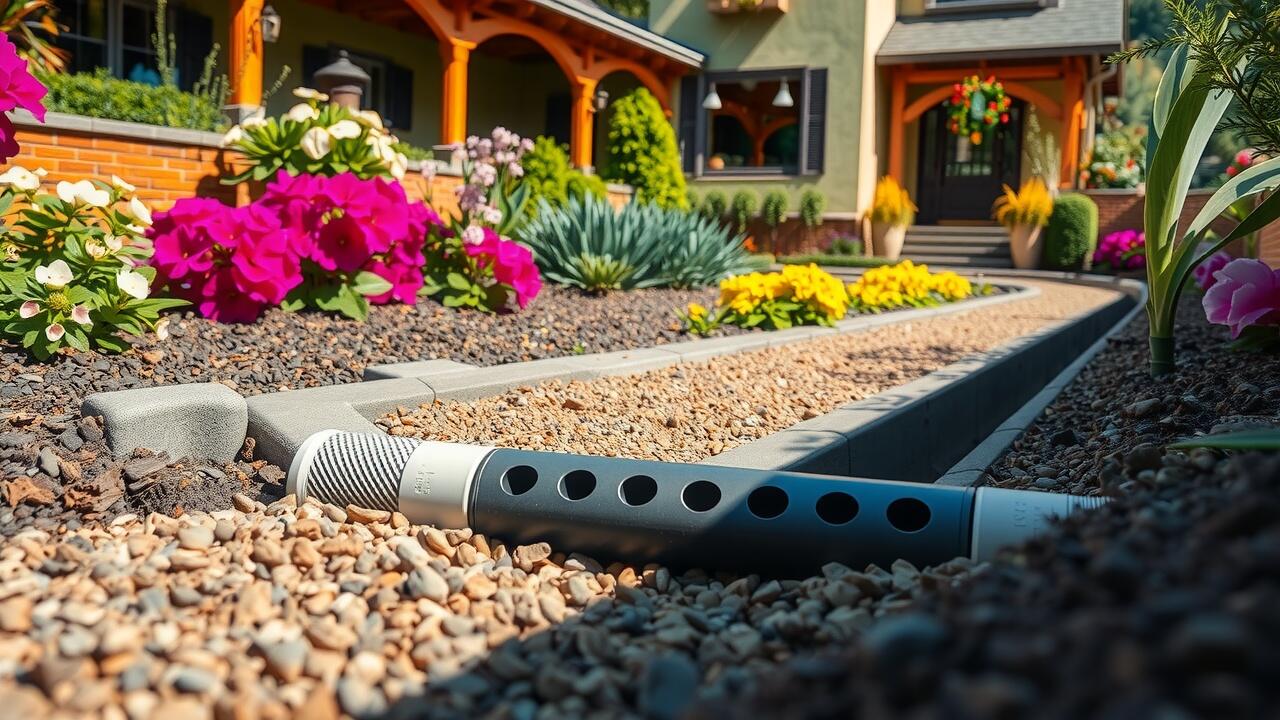
A successful perimeter drain system relies on several key components, starting with the perforated drain pipe. This type of pipe allows water to flow into the system while filtering out unwanted debris. For those considering a popular basement perimeter setup, installing a tile perimeter around the foundation can direct water towards surface drainage points. This ensures that water is effectively channeled away from the home and prevents potential drainage issues that may arise if the system is not properly designed.
Another important aspect of a perimeter drainage system is the proper establishment of external drainage areas. By ensuring that the drainage pipe connects to a safe drainage location outside the home, homeowners can prevent water accumulation around their foundation. Interior perimeter systems often utilize a shower drain or similar inlet to manage excess water that may enter the basement. Choosing a perimeter drain system that incorporates these essential components will help safeguard your property against moisture intrusion and long-term water damage.
Installation of Perimeter Drain Systems
Choosing a perimeter drain system involves evaluating your property’s unique drainage problem and determining the best solution to achieve proper drainage. Installing an effective perimeter trench can significantly alleviate issues related to poor drainage, directing excess water away from your foundation. Consultation with local drainage experts ensures that you understand the most efficient layout of drainage points, connecting to the main sewer system or a local sewer system. For many homeowners, enlisting professional drainage services can provide a cost-effective drainage solution. A skilled French drain man can expertly install the system, preventing future complications and safeguarding your property from water-related damage.
DIY vs. Professional Installation
Choosing a perimeter drain system can be a challenging decision for homeowners. DIY installation offers the potential for cost savings, particularly if one is skilled in landscaping or plumbing. However, improperly installed systems—like a series slot drain or a french drain—can lead to ineffective drainage, exacerbating basement flooding issues. If a homeowner does not have experience with subsurface drain channels, the risk of basement leaks may increase.
Professional installation by great drainage specialists ensures that the system is correctly designed and implemented. Experts can assess the specific needs of the property and recommend the best options, such as how a french drain diverts excess water effectively. This premium drainage approach addresses any potential basement flooding and ensures the longevity of the system, giving homeowners peace of mind in managing their drainage needs.
Installation Steps for a Successful Drain System
Choosing a perimeter drain system involves careful planning and understanding of your property’s unique drainage needs. Proper installation begins with assessing the site, including the slope of the floor and the condition of the exterior basement walls. Establishing a waterproof barrier is essential to prevent water infiltration and mitigate issues like a wet basement. An effective de-watering system can help redirect potential water flow away from your foundation, ensuring longevity and reliability.
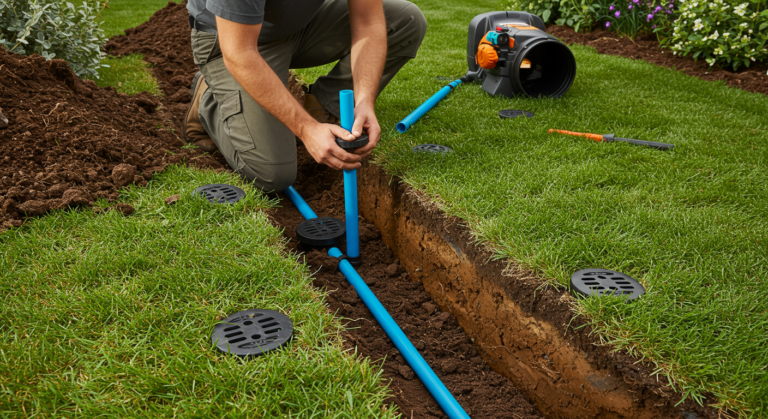
After selecting the appropriate system, the next step is to install the pipe system effectively. Experienced drainage specialists recommend digging a trench around the foundation’s perimeter, allowing for proper placement of the drain pipes. Ensuring that the pipes are installed at the correct slope will facilitate efficient water removal and prevent structural infiltration. Completing these steps diligently leads to successful basement waterproofing and protects your home from moisture-related issues.
| Step | Description | Tools Needed |
|---|---|---|
| 1. Site Assessment | Evaluate the site layout, slope of the floor, and walls’ condition to determine drainage needs. | Tape Measure, Level, Soil Test Kit |
| 2. Waterproof Barrier | Install a waterproof barrier along the basement walls to prevent water infiltration. | Waterproof Membrane, Adhesive |
| 3. Trench Digging | Excavate a trench around the foundation for placing the drain pipes. | Shovel, Excavator (for larger jobs) |
| 4. Pipe Installation | Install the drain pipes at a slope to ensure proper water flow and prevention of blockages. | Drain Pipe, Pipe Connectors, Level |
| 5. System Testing | Test the system with water to ensure that water is being directed away from the foundation. | Water Source, Hose, Bucket |
Maintenance and Care for Perimeter Drains
Regular inspections are essential for maintaining a free basement and ensuring the effectiveness of your chosen perimeter drain system. Understanding how water flows around your property helps identify potential issues like water intrusion in basement walls. An effective waterproofing solution often involves a combination of interior and exterior waterproofing strategies, especially when dealing with natural groundwater flow. Applying a four-way floor slope in conjunction with the perimeter drainage system enhances water flow away from vulnerable areas. By prioritizing these maintenance practices, you can promote a healthy basement environment and prolong the lifespan of your drainage system.

Regular Inspection Practices
Inspecting your perimeter drain system regularly is crucial for maintaining smooth water flow and preventing moisture infiltration. Areas prone to water accumulation, such as deep trenches around your foundation, require careful monitoring. Check the integrity of crawl space walls and ensure that the right waterproofing method is in place. This includes assessing the sump pump basin for functionality and ensuring that soil removal is done appropriately to avoid blockages.
Regular cleanup around the drainage area can also aid in avoiding potential issues. Landscaping solutions should be designed to facilitate proper drainage away from your home. Choosing a perimeter drain system that allows for easy access during inspections can make a significant difference in maintaining your system’s efficiency. Identifying problems early can save both time and money in the long run.
Common Issues and Troubleshooting
Choosing a perimeter drain system requires careful consideration of potential issues that may arise over time. Common problems include blockages in the pipes, which can occur due to silt accumulation and debris. Regularly inspecting the system can help avoid these pitfalls. Particularly in low areas, groundwater pressure can be significant, leading to the need for more robust solutions. Ensuring that the system effectively intercepts groundwater seepage is essential for reliable water management and protecting your property.
Troubleshooting often involves checking for cracks in the concrete tiles or identifying holes in the drainage system. Many installations may not account for directing water downhill effectively, which can exacerbate pooling issues at the floor point. By understanding the specific design of your perimeter drain system, you can more readily identify problems and implement solutions that enhance its efficiency. Proper maintenance and timely intervention can mitigate complications and prolong the lifespan of your drainage system.
Conclusion
Choosing a perimeter drain system is vital for protecting your property from water damage. An effective system helps manage groundwater runoff and prevent surface mess in your yard. The use of porous pipes in drainage systems allows for efficient water filtration, which minimizes the risk of pooling and flooding. Proper installation and maintenance of these systems ensure long-term functionality, making it essential to assess your drainage needs carefully before making a decision. Prioritizing these factors can lead to a successful investment in your property’s water management strategy.
FAQS
How does a perimeter drain work to manage ground water around a basement area prone to flooding?
A well-installed perimeter drain is essential for intercepting groundwater seepage and ensuring effective internal drainage system management. By using an interior perimeter basement drain system, the footing drain diverts water away from the foundation, preventing damage to floorboards and ensuring that the basement remains dry. The system varies depending on whether an exterior basement drainage solution or an interior waterproofing approach is chosen, with properly designed options like a french drain addressing specific water issues. For optimal results, consider contacting landscape drains specialists to explore all basement options available for effective de-watering systems.
What factors should you consider when selecting a well-built perimeter drain system for an area prone to flooding?
When selecting a well-built perimeter drain system for an area prone to flooding, it is essential to consider factors such as understanding basement conditions, the effectiveness of interior perimeter drains, and the orientation of the sloped floor. A proper perimeter drain can efficiently intercept groundwater seepage, while an external drainage establishment like a French drain addresses water management outside the foundation. It’s also useful to contact landscape drains experts to determine the best exterior solution tailored to your specific needs.
What are the benefits of installing an interior drain system to control ground water in areas susceptible to flooding?
An interior drain system can effectively manage ground water by directing it away from vulnerable areas, helping to prevent water intrusion and flooding in your home. This type of system, designed to work in conjunction with existing perimeter drain systems, plays a crucial role in maintaining a dry basement and protecting your property from water damage.
What is the process of installing a perimeter drain system to protect a basement from flooding?
The process of installing a perimeter drain system typically involves digging a trench around the foundation, laying down drainage pipes, and backfilling with gravel to encourage water flow toward the system. This helps protect the basement by redirecting ground water away from the foundation, ultimately minimizing the risk of flooding.
What are the most common types of perimeter drain systems available for homeowners looking to prevent flooding in their basements?
Homeowners often choose from several types of perimeter drain systems, including traditional gravel-based systems, modern polymer drainage, and prefabricated drainage channels. Each system offers unique benefits, but the most common goal is to effectively manage ground water and prevent flooding in basements.